Aquatic Engineering: Establishing the Design Problem
ramaker insights
Aquatic Engineering: Establishing the Design Problem
Aquatic facilities, from municipal pools to large destination waterparks, are some of the most complex to design and operate. They combine structural design, water treatment systems, mechanical engineering, life safety planning, and guest experience considerations into a single integrated facility.
Aquatic engineering is the discipline that ensures these systems work together safely and efficiently. However, the most important engineering decisions are rarely made after drawings begin. They happen during the planning phase, when the design team defines the facility’s goals.
At Ramaker, aquatic engineering has long been a core specialty. With decades of experience supporting communities, schools, developers, and hospitality clients, our team brings a multidisciplinary perspective that connects planning, engineering, and operations from concept through completion. This depth of expertise allows project teams to move beyond isolated design decisions and toward fully integrated, high-performing aquatic environments
What Is Aquatic Engineering and Why It Matters in Facility Planning
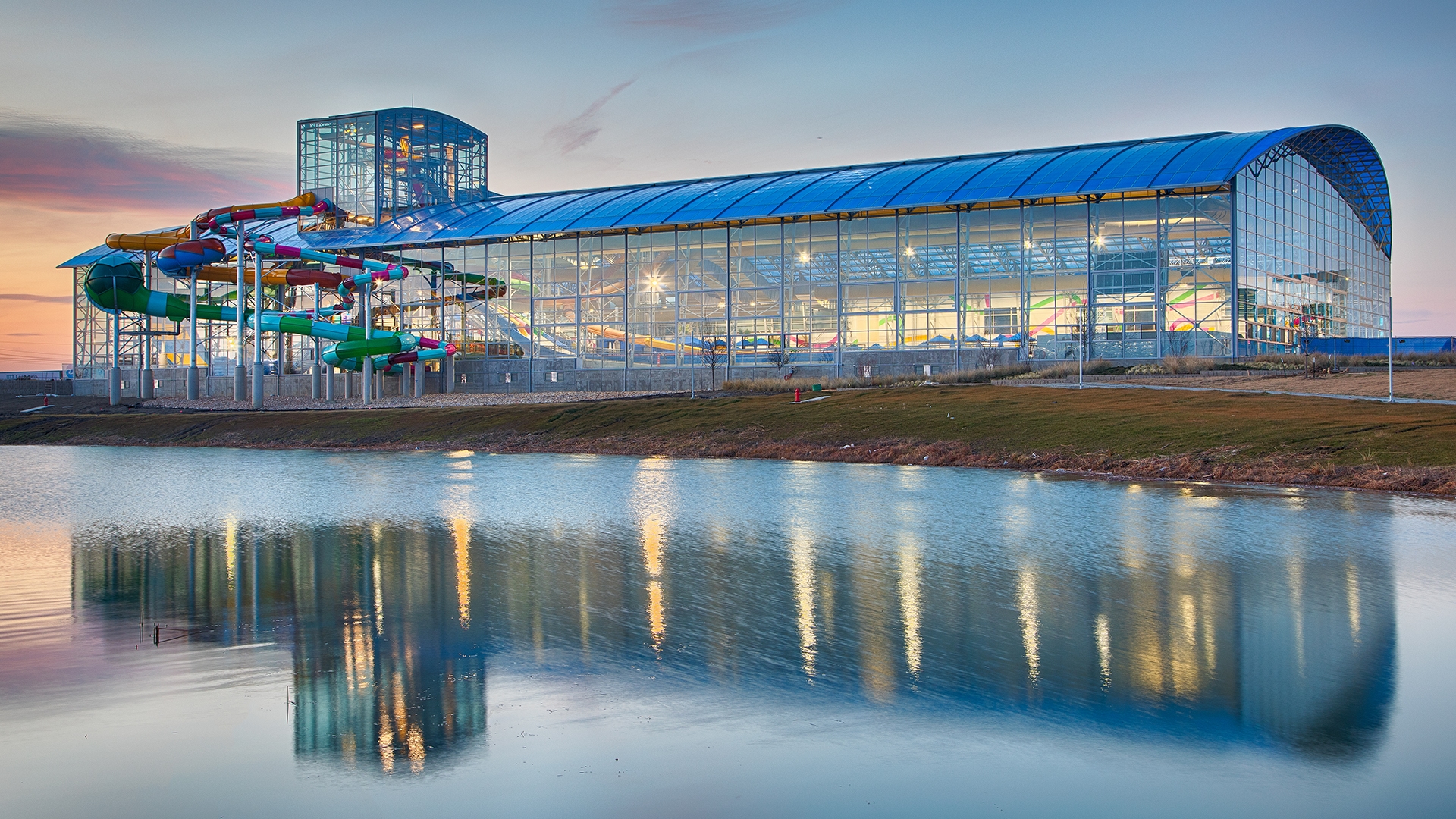
Aquatic engineering is a specialized discipline that focuses on the technical systems that make aquatic facilities safe, functional, and enjoyable. While architects shape the overall appearance and layout of a facility, aquatic engineers focus on the systems that allow water attractions and pools to operate safely and efficiently.
These systems include:
- Water circulation and filtration
- Hydraulic design
- Mechanical systems
- Structural support for aquatic features
- Water quality control
- Attraction performance and safety requirements
Aquatic engineers serve as the bridge between design vision and operational reality.
For example, a proposed attraction may look exciting from a design perspective, but it must also:
- Maintain safe water flow and circulation
- Allow clear lifeguard visibility
- Meet regulatory safety standards
- Operate efficiently with manageable staffing levels
By integrating engineering expertise early in the planning process, project teams can identify potential issues before they become expensive problems during construction and upon operation.
Early engineering input helps reduce:
- Costly redesigns
- Operational inefficiencies
- Safety concerns
- Maintenance challenges
Ultimately, aquatic engineering ensures the facility functions as well as it looks.
Understanding the Type of Aquatic Facility Being Pursued
Not all aquatic facilities serve the same purpose. Defining the type of facility early in the planning process helps guide both engineering decisions and overall project strategy.
Different facility types place different demands on infrastructure, water systems, and operational planning.

Municipal Aquatic Centers
Municipal facilities are typically designed to serve a broad community audience. They often include:
- Lap pools
- Leisure pools
- Water slides
- Spray-and-play features
- Diving areas
These facilities must balance recreation with accessibility and affordability while meeting strict public safety requirements.
Because municipalities often operate within fixed budgets, aquatic engineering decisions must prioritize durability, operational efficiency, and long-term maintenance costs.
K–12 and School Aquatic Facilities
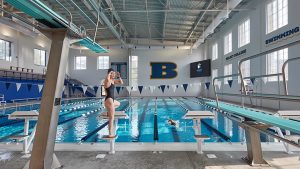
School-based aquatic facilities are primarily designed for education, safety, and athletic programming rather than recreation or tourism. These pools often support multiple functions, including:
- Physical education classes
- Swim instruction and water safety programs
- Competitive swim and dive teams
- Community or club use during non-school hours
Because of this multi-use nature, establishing the design problem early is critical.
From an engineering and planning perspective, school pools must prioritize:
- Clear sightlines for supervision and instruction
- Consistent water depths aligned with curriculum and competition needs
- Durable materials that withstand daily, high-frequency use
- Simple, reliable mechanical systems that school districts can operate and maintain
Budget constraints are often a defining factor in K–12 projects. Design decisions must balance initial construction costs with long-term operational expenses, staffing limitations, and maintenance capabilities. Unlike destination or municipal facilities, school pools rarely have dedicated aquatic operators, making system simplicity and reliability especially important.
Destination Waterparks
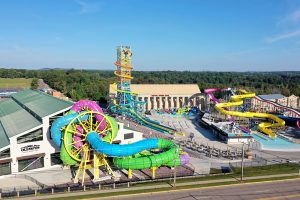
Destination waterparks focus on delivering immersive, high-energy experiences that attract regional or national visitors.
These facilities typically feature:
- Large-scale water slides
- Wave pools
- Lazy rivers
- Interactive play structures
- Themed attractions
In these environments, aquatic engineering plays a critical role in ensuring attractions operate reliably while supporting high guest volumes.
Hydraulic systems, filtration capacity, and circulation design must be carefully planned to handle heavy use to maintain water quality and safety.
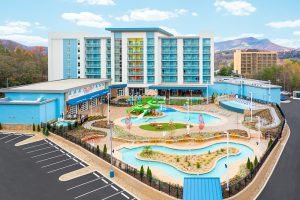
Resort, Hotel, or Mixed-Use Aquatic Facilities
Resort and hospitality-based aquatic facilities are often designed to enhance the guest experience and extend the length of stay.
These facilities may include:
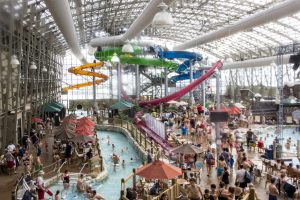
- Indoor waterparks
- Family recreation pools
- Spa and therapy pools
- Children’s play areas
- Relaxation features like lazy rivers
Because these attractions are closely tied to hospitality operations, engineering decisions must support consistent operation, aesthetic integration, and guest comfort.
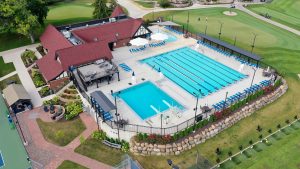
Indoor vs. Outdoor Facilities
Indoor and outdoor aquatic facilities present different engineering challenges.
Outdoor facilities must account for:
- Seasonal weather conditions
- Evaporation
- Environmental debris
- Freeze protection
Indoor aquatic facilities require careful coordination of:
- Humidity control
- Ventilation systems
- Condensation management
- Air quality
These environmental factors significantly influence mechanical systems, energy usage, and long-term operational costs.
Key Questions to Ask When Developing a Waterpark or Aquatic Facility
Before detailed design begins, owners and project teams must answer several key planning questions. These questions help define the design problem aquatic engineers must solve.
Clear answers ensure the final facility aligns with the owner’s goals, target audience, and operational capabilities.
Competition and Value Proposition in Aquatic Facility Design
Understanding the competitive landscape is an important step in facility planning.
If nearby communities or resorts already offer similar aquatic attractions, a new facility must differentiate itself by introducing unique features such as themed water slides, exclusive wellness amenities, or innovative programming. These strategies help create a distinct experience that attracts guests and ensures the facility stands out in a competitive market.
This differentiation does not always mean building the biggest or most expensive attractions. Instead, successful aquatic facilities often focus on delivering a unique experience that resonates with their target audience.
Aquatic engineers help evaluate how different attraction types influence:
- Guest capacity
- Circulation patterns
- Safety supervision requirements
- Operational complexity
By aligning engineering decisions with the facility’s market positioning, project teams can create an experience that stands out while remaining operationally sustainable.
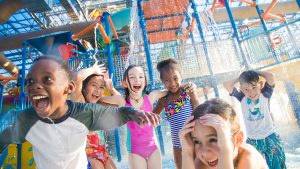
Identifying the Target Audience for Aquatic Facilities
One of the most important planning questions is simply: Who is this facility for? Different audiences require different design approaches.
For example, families with young children may prioritize shallow water play features, splash zones, and interactive elements, while teen and young adult audiences may gravitate toward high-thrill slides or surfing simulators, and competitive swimmers and fitness users require lap lanes, diving wells, and training space.
Aquatic engineers consider how audience demographics affect factors such as:
- Water depth requirements
- Attraction intensity
- Circulation patterns
- Visibility for lifeguards
- Water capacity
Clearly defining the audience ensures the engineering design supports the intended experience while maintaining safety.
Seasonality, Location, and Year‑Round Usability
Climate and geographic location significantly influence aquatic facility design.
In colder regions, outdoor facilities often operate only during the summer months. This seasonality can impact the return on investment and operational planning.
Some communities address this challenge by incorporating indoor aquatic components that allow for year-round use.
From an engineering standpoint, climate considerations affect:
- Heating systems
- Freeze protection
- Building enclosure design
- Water evaporation rates
- Energy consumption
Facilities designed for shoulder seasons or year-round operation must carefully balance guest comfort with energy efficiency.
Planning for Future Growth and Technology Advancements
Aquatic facilities are long-term investments that may operate for decades. As technology evolves and guest expectations change, facilities may need to expand or update their attractions.
Aquatic engineers can help design systems that allow for future growth, such as:
- Expandable filtration capacity
- Infrastructure for future attractions
- Flexible equipment layouts
- Addition of complimentary features
Emerging technologies—such as automated monitoring systems, advanced water treatment methods, and energy-efficient equipment—also influence modern aquatic engineering strategies.
Designing with future adaptability in mind can help protect the owner’s investment and reduce the cost of future upgrades.
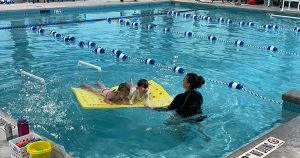
Safety Requirements, Staffing, and Operational Realities
Safety is one of the most critical considerations in aquatic facility design. Aquatic engineering decisions directly influence how safely and efficiently the facility can be supervised and operated.
Key design factors include:
- Lifeguard sightlines
- Attraction layout
- Water clarity
- Circulation patterns
- Emergency response accessibility
- ADA-compliant accessibility
For example, poorly designed attractions or pool layouts can create blind spots that make it difficult for lifeguards to monitor guests effectively.
Engineering decisions also affect staffing requirements. Facilities designed with clear visibility and efficient circulation patterns may require fewer lifeguards to supervise the same number of guests.
By considering operational realities early in the design process, aquatic engineers can help create facilities that are both safer and easier to manage.
Aligning Aquatic Engineering With Long‑Term Operational Success
Successful aquatic facilities are not defined only by their opening day excitement. Their true success is measured by how well they operate over time.
When the design problem is clearly defined at the start of a project, aquatic engineering can support long-term operational goals such as:
- Maintaining budget control
- Optimizing staffing efficiency
- Delivering a consistent guest experience
- Minimizing maintenance challenges
Misalignment between design, engineering, and operational needs can lead to expensive retrofits and operational frustrations.
Early collaboration helps ensure the facility works as intended for many years.
Aquatic Engineering Is Essential to Project Strategy
Aquatic engineering isn’t just laying out pumps, pipes, and filtration systems. It is about understanding how a facility will function, how guests will interact with it, and how operators will manage it every day. The most successful aquatic facilities begin with clear answers to the right planning questions.
By defining the design problem early—and involving aquatic engineers in the conversation from the beginning—owners and developers can create facilities that are safer, more efficient, and better aligned with their long-term goals.
For communities, resorts, and developers considering a new aquatic facility, early collaboration between owners, engineers, architects, and operators can make the difference between a project that simply looks good on paper and one that performs successfully for decades.
Partner With Experts Who Understand the Aquatic Design Process
Planning a successful aquatic facility requires more than great ideas—it requires a team that understands how design decisions affect safety, operations, and long-term performance.
At Ramaker, our aquatic engineering team works with municipalities, hospitality developers, and private owners to guide projects from early planning through design and construction. By engaging engineering expertise early in the process, project teams can better define the design problem, evaluate options, and build facilities that operate safely and efficiently for years to come.
Ramaker supports aquatic projects through services such as:
- Aquatic facility planning and feasibility studies
- Pool and waterpark engineering design
- Evaluation and renovation of existing aquatic facilities
- Mechanical, structural, and civil engineering coordination
- Long-term operational and safety planning
Whether you are exploring the idea of a new aquatic center, expanding a resort waterpark, or evaluating an existing facility, early collaboration with experienced engineers can help ensure your project starts with the right questions that lead to the right solutions.
Ready to explore how Ramaker can support your upcoming aquatic project? Reach out to our experts to get the conversation started!