Aquatic Engineering: Bringing the Vision to Life
ramaker insights
Aquatic Engineering: Bringing the Vision to Life
The first question in any pool project is not “What equipment do we need?” It is “What are we trying to create?” Earlier conversations in this series focused on establishing the design problem and crafting the vision. Those steps help an owner define the need, the users, the activities, the budget, the site, and the experience the facility should provide. This third step builds on that work. It explains how aquatic engineering helps turn the owner’s goals into a pool, aquatic center, or waterpark that can be built, permitted, operated, and maintained.
For a new pool owner, this is where the project becomes more real. The desired experience may be simple: clean water, comfortable temperatures, safe access, and a space guests enjoy using. Or it may include lap swimming, lessons, therapy, splash play, water slides, a lazy river, spray features, shade, seating, and room for events. Aquatic engineers help connect those goals to the pool basin, pool piping, pool water treatment equipment, water features, code requirements, safety systems, daily operations, and long-term maintenance needs.
Carry the Owner’s Goals into Design
Good aquatic engineering keeps the owner’s goals in view as technical decisions are made. A family-focused splash pad needs different water flow, safety planning, and operating controls than a competition pool. A hotel pool has different staffing, space, and maintenance expectations than a municipal aquatic center. These differences affect pool size, depth, turnover, water temperature, deck space, accessibility, chemical storage, feature selection, and equipment room layout.
Design the Pool Structure
The pool basin must be structurally strong, stable, watertight, and suited to the site. Aquatic engineers coordinate with structural and geotechnical engineers to address soil conditions, groundwater, freeze-thaw exposure, foundations, surge tanks, gutters, piping penetrations, and nearby building loads. The pool is not just a concrete vessel. It is part of a larger system that must hold water, support users, resist movement, and allow future repairs.
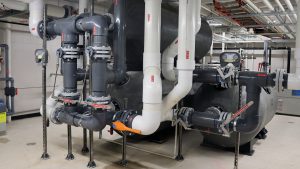
Plan the Pool Water Treatment Equipment
Pool water must be moved, filtered, disinfected, balanced, heated when needed, and returned to the pool at the right rate. Aquatic engineers size and lay out the pumps, filters, chemical feed systems, heaters, valves, drains, inlets, controllers, and piping that support this process. This is pool water treatment equipment. It is not the same as building mechanical systems such as HVAC.
The goal is practical: keep the water clean, clear, safe, and comfortable while making the equipment room workable for the people who operate it. Staff need room to read gauges, reach valves, clean strainers, service filters, handle chemicals safely, and replace worn equipment without taking half the room apart.
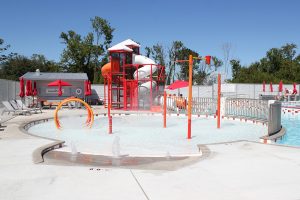
Engineer Water Features as Part of the System
Water features can make a pool memorable, but they also add engineering needs. Slides, splash pads, spray features, dumping buckets, play structures, current channels, leisure rivers, therapy jets, and fountains each need the right water flow, pressure, controls, drainage, and safety planning. Most features need separate pumps or dedicated piping. Others affect water chemistry, splash-out, deck drainage, noise, staffing, and how much water the owner must heat, filter, and treat.
Aquatic engineers also help owners understand the tradeoffs. A feature that draws families may be worth the added cost and maintenance. A feature that looks exciting but creates high chemical demand, difficult service access, heavy staffing needs, or poor fit with the target users may not be the right choice. The best feature choices support the owner’s vision without creating avoidable operating problems.
Coordinate with the Full Project Team
Aquatic engineering works best when it is connected to the rest of the design and construction team. The architect plans the building, layout, guest flow, and overall experience. Civil and geotechnical engineers help address site grading, soils, utilities, drainage, and groundwater. Mechanical, electrical, plumbing, and structural engineers coordinate building systems, power needs, ventilation, foundations, and support for the pool and features. Aquatic engineers bring the pool-specific requirements into those conversations so important decisions are made together, not discovered late in design or construction.
Feature suppliers and contractors also play an important role. Slides, play structures, spray features, and specialty equipment often come with manufacturer requirements for flow, pressure, anchors, clear zones, power, controls, and maintenance access. Contractors and pool installers help turn the drawings into a working facility. Early coordination helps align the owner’s vision with the products being selected, the space available, and the way the pool will be constructed.
Meet Code and Health Department Requirements
Public pools are regulated for a reason. Codes help protect swimmers, staff, and owners. Aquatic engineers design around health department rules, building codes, accessibility standards, electrical safety requirements, suction entrapment rules, and equipment standards. These requirements can affect turnover rates, drain design, chemical storage, pool depths, handrails, ladders, lifts, barriers, signage, emergency shutoffs, and water feature operation.
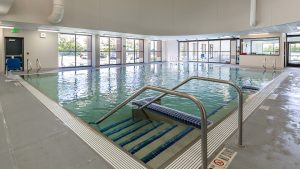
Build Safety into the Design
A safe pool depends on more than lifeguards. Design choices can improve visibility, reduce hazards, support supervision, and help operators respond quickly when something goes wrong. Aquatic engineers consider suction outlet safety, water clarity, slip-resistant surfaces, safe depths, chemical handling, equipment access, and clear paths for staff and guests.
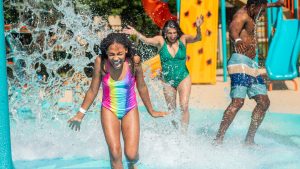
Support the Guest Experience
The best aquatic facilities feel easy to enjoy because the hard work was handled during design. Water depth should match the activity. Water temperature should fit the users. Inlets and returns should help prevent dead spots. Splash pads and play features should be fun without overwhelming young users or staff. Slides and current channels should be exciting but still fit the space, supervision plan, and operating budget.
This is why the second blog’s vision work still matters here. Once the desired experience is clear, aquatic engineering helps test whether that experience can be supported by the site, utilities, staff, budget, codes, and long-term maintenance plan.
Plan for Daily Operations
Pool owners need to think about how the facility will work every day. Operators need space for testing water, storing chemicals, moving supplies, backwashing filters, cleaning baskets, and reaching parts safely. Water features can add strainers, valves, controllers, nozzles, drains, pumps, or other components that also need service access. Chemical delivery routes, equipment room doors, floor drains, ventilation, lighting, and safety showers can all affect daily operations.
Aquatic engineers help owners think through these needs early, before the building design is too far along to readily address them. That planning can reduce construction changes, make staff work safer, and help the owner open the facility with fewer surprises.
Think About Long-Term Maintenance
Pools are long-term investments. Pumps, filters, heaters, controllers, chemical systems, finishes, decks, covers, play features, and slide components all need care. Aquatic engineers help owners choose systems that match the facility’s budget, staff skill level, parts availability, water use, energy use, and maintenance expectations.
Good maintenance planning also means leaving room for future repairs and upgrades. Equipment will need to be serviced or replaced. Finishes will wear. Feature components may need seasonal checks, adjustments, or replacement parts. Codes may change. A well-planned pool gives the owner a better chance to keep the facility open, safe, attractive, and useful for many years.
Why an Aquatic Engineer Matters
A pool owner does not need to know every technical detail. That is why the design team matters. An aquatic engineer helps connect the owner’s goals to the drawings, calculations, equipment selections, feature coordination, code submittals, and construction decisions needed to build the facility correctly.
This third step in the process is about making the vision real. It carries forward the owner-focused planning from the first two articles, then adds the technical decisions needed to support safety, user experience, water quality, daily operations, coordination with the broader project team, and long-term value. For a new pool owner, the result is practical: a clearer path from idea to completion, fewer surprises, safer operation, better maintenance planning, and a pool that works for the people it was built to serve.
Partner With Experts Who Understand the Aquatic Design Process
At Ramaker, our aquatic engineering team works with municipalities, hospitality developers, and private owners to guide projects from early planning through design and construction. By engaging engineering expertise early in the process, project teams can better define the design problem, evaluate options, and build facilities that operate safely and efficiently for years to come.
Ramaker supports aquatic projects through services such as:
- Aquatic facility planning and feasibility studies
- Pool and waterpark engineering design
- Evaluation and renovation of existing aquatic facilities
- Mechanical, structural, and civil engineering coordination
- Long-term operational and safety planning
Whether you are exploring the idea of a new aquatic center, expanding a resort waterpark, or evaluating an existing facility, early collaboration with experienced engineers can help ensure your project starts with the right questions that lead to the right solutions.
Ready to explore how Ramaker can support your upcoming aquatic project? Reach out to our experts to get the conversation started!