Prioritizing Repairs After a Pool Evaluation: How a Thorough Pool Evaluation Helps Facility Owners Make Smarter Capital Planning Decisions
ramaker insights
Prioritizing Repairs After a Pool Evaluation: How a Thorough Pool Evaluation Helps Facility Owners Make Smarter Capital Planning Decisions
When a pool evaluation identifies several areas of concern, many facility owners face the same question: Where do we start?
Whether you’re managing a municipal aquatic center, school pool, YMCA, waterpark, or hospitality facility, it’s common for a pool evaluation to reveal a range of deficiencies—from aging mechanical systems and deteriorating pool surfaces to accessibility concerns and code-related issues. The challenge is determining which repairs require immediate attention and which can be incorporated into a long-term capital improvement plan.
A well-executed pool evaluation does more than document existing conditions. It provides a roadmap that helps owners prioritize repairs, allocate budgets effectively, reduce risk, and maximize the lifespan of their aquatic facility.
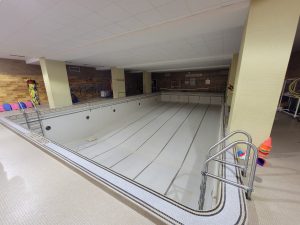
What Is a Pool Evaluation?
A comprehensive pool evaluation examines the condition, functionality, safety, and remaining useful life of key aquatic facility components. Evaluations typically assess:
- Pool shell condition and structural integrity
- Pool decks and surrounding infrastructure
- Circulation systems and underground piping
- Pumps, filters, and mechanical equipment
- Gutter systems and surge tanks
- Water features and attractions
- Waterslides and structural components
- Accessibility compliance
- Safety and code-related concerns
- Support spaces such as locker rooms, lifeguard areas, and concessions
Ramaker’s aquatic facility evaluations often help clients develop a 1- to 5-year capital improvement roadmap by identifying existing deficiencies, estimating remaining life expectancy of major systems, and recommending future investments. These assessment areas are commonly included in aquatic facility evaluations and planning efforts.
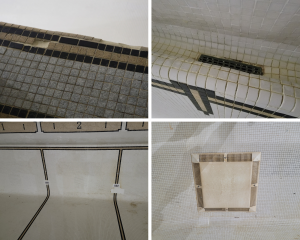
Start with Safety-Critical Repairs
The highest priority repairs are those that impact user safety or regulatory compliance.
Issues in this category may include:
- Structural concerns within the pool basin
- Failing deck surfaces that create trip hazards
- Damaged drain covers or circulation components
- Deteriorated slide structures
- Accessibility deficiencies
- Code violations identified during the evaluation
Delaying these repairs can increase liability exposure, create operational risks, and potentially result in facility closures.
When evaluating repair priorities, ask:
- Does this issue pose a safety risk?
- Could it result in injury?
- Will it affect the facility’s ability to remain open?
- Is it required for compliance with current regulations?
If the answer is yes, these items should generally move to the top of the repair list.
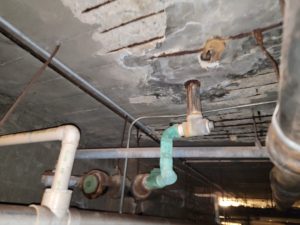
Address Infrastructure Before Cosmetic Improvements
Facility owners are often tempted to focus on visible improvements such as resurfacing finishes, updating colors, or refreshing amenities. While aesthetics matter, addressing underlying infrastructure first typically delivers greater long-term value.
For example:
- Replacing deteriorated circulation piping before resurfacing the pool
- Repairing structural concrete issues before installing new finishes
- Upgrading aging mechanical equipment before renovating surrounding spaces
A beautiful pool finish won’t solve underground leaks or failing equipment. Investing in critical infrastructure first helps prevent costly rework later.
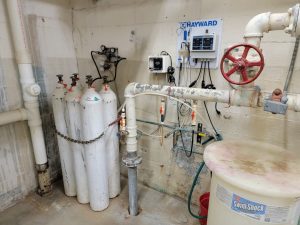
Consider Remaining Useful Life
Not every deficiency requires immediate replacement. A pool evaluation should help determine the expected remaining life of various systems, including:
- Pumps and filtration equipment
- Pool decks
- Piping systems
- Gutters and surge tanks
- Pool finishes
- Waterslide structures
- Mechanical and electrical components
Understanding remaining useful life allows facility owners to make strategic decisions.
For example:
- A mechanical system with one year of life remaining may warrant immediate planning.
- A component with five years of life remaining may be monitored and budgeted for future replacement.
This approach helps organizations avoid emergency expenditures while creating predictable capital budgets.
Evaluate Operational Impacts
Some deficiencies may not pose an immediate safety concern but can significantly impact operations.
Common examples include:
Excessive Water Loss
Leaks often increase utility costs and may cause damage to surrounding infrastructure if left unaddressed.
Inefficient Mechanical Systems
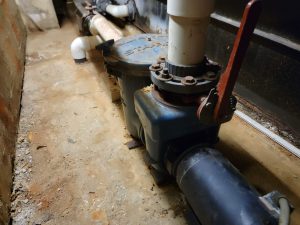
Older pumps and filtration equipment frequently require more maintenance, consume more energy, and increase operational expenses.
Poor Water Quality Performance
Aging circulation systems can make maintaining proper water chemistry more difficult, leading to guest complaints and increased staff workload.
Addressing operational issues can generate measurable cost savings while improving the user experience.
Group Repairs into Phases
Most aquatic facilities don’t have unlimited capital budgets.
Rather than tackling every recommendation at once, many owners benefit from organizing repairs into phases.
Phase 1: Immediate Repairs (0–1 Years)
Focus on:
- Safety concerns
- Code compliance deficiencies
- Critical infrastructure failures
- Operational issues affecting facility function
Phase 2: Short-Term Improvements (1–3 Years)
Focus on:
- Equipment nearing end of life
- Water conservation initiatives
- Energy-efficiency upgrades
- Accessibility improvements
Phase 3: Long-Term Capital Planning (3–5+ Years)
Focus on:
- Major renovations
- Amenity upgrades
- Pool expansion opportunities
- Attraction replacements
- Comprehensive modernization projects
A phased approach helps organizations align repairs with available funding while minimizing disruptions to operations.
Look for Opportunities to Combine Projects
One of the biggest advantages of a comprehensive pool evaluation is identifying opportunities to bundle improvements together.
For example, if:
- The pool finish needs replacement,
- The gutter system is approaching the end of its useful life, and
- Underground piping requires upgrades,
it may be more cost-effective to complete these projects during a single construction period.
Combining related improvements can reduce:
- Mobilization costs
- Facility downtime
- Design and permitting expenses
- Operational interruptions
It also provides a more efficient use of capital funds.
Use the Pool Evaluation as a Capital Planning Tool
A pool evaluation should not sit on a shelf after it’s completed.
The most successful facility owners use their evaluation as an ongoing planning document that informs:
- Annual budgeting
- Capital improvement programs (CIPs)
- Bond planning initiatives
- Referendum discussions
- Grant applications
- Long-term facility strategies
An evaluation transforms reactive maintenance into proactive asset management, helping organizations make informed decisions before small issues become major problems.
The Value of Expert Guidance
Determining repair priorities isn’t always straightforward. Multiple components often reach the end of their service life at different times, and budget constraints can make decision-making challenging.
An experienced aquatic consultant can help facility owners understand which recommendations should be addressed immediately, which can be phased over time, and where investments will have the greatest impact on safety, operations, and facility longevity.
Plan Smarter with a Comprehensive Pool Evaluation
A thorough pool evaluation provides the information necessary to make strategic decisions about your aquatic facility.
By prioritizing safety, addressing critical infrastructure, understanding remaining useful life, and developing a phased improvement plan, facility owners can maximize their investment while continuing to provide safe, enjoyable aquatic experiences for their communities.
Ready to understand the true condition of your aquatic facility? Ramaker’s aquatics experts provide comprehensive pool evaluations that help owners identify risks, prioritize repairs, and build realistic capital improvement plans that support long-term success. Contact our team to start the conversation about your project today!
And when you’re ready to move forward with repairs, Ramaker’s aquatic engineers can guide you through the design process, prioritizing short-term needs while planning for future improvements.