Guest-Focused Hospitality Design: Great Guest Experiences Start Long Before Opening Day
ramaker insights
Guest-Focused Hospitality Design: Great Guest Experiences Start Long Before Opening Day
When people think about hospitality design, they often picture beautiful hotel lobbies, inviting guest rooms, or memorable amenity spaces. While aesthetics certainly play an important role, successful hospitality design goes much deeper. Every design decision—from site planning and circulation patterns to lighting, acoustics, and interior finishes—has the power to shape the guest experience.
At Ramaker, guest experience is a guiding principle integrated into every phase of the design process. By combining architecture, engineering, and interior design expertise, Ramaker creates hospitality environments that are visually appealing, operationally efficient, and centered around the way guests interact with a property. Ramaker’s hospitality team also maintains strong relationships with major hotel franchisors and stays current with evolving brand standards, ensuring guest expectations remain at the forefront of every project.
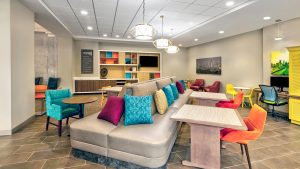
Multi-purpose lounge spaces, like this one at the Home2Suites/Tru by Hilton in Minneapolis, MN, offer versatility for working and socializing.
Why Guest Experience Matters in Hospitality Design
Today’s travelers have more choices than ever before. Whether guests are traveling for business, leisure, family vacations, or extended stays, they expect more than a place to sleep. They want comfort, convenience, memorable experiences, and spaces that feel intuitive to navigate.
Hospitality design directly influences:
- First impressions and arrival experiences
- Guest comfort and relaxation
- Ease of navigation throughout the property
- Operational efficiency and service delivery
- Brand perception and loyalty
- Online reviews and repeat bookings
The most successful hospitality projects balance owner goals, operational requirements, brand standards, and guest expectations. When these elements work together, properties create positive experiences that drive long-term success.
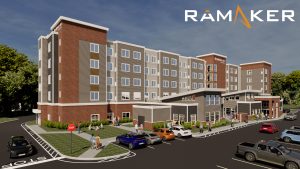
A rendering of the future Residence Inn by Marriott in Parsippany, NJ.
The Guest Experience Begins During Planning
Many aspects of the guest experience are determined before floor plans are finalized or finishes are selected.
During the early planning stages, Ramaker works closely with clients to understand:
- Target guest demographics
- Market positioning
- Brand requirements
- Site opportunities and constraints
- Operational goals
- Long-term ownership objectives
This collaborative approach helps establish a clear vision for how guests will interact with the property from the moment they arrive until the moment they leave. By understanding the property’s intended audience, the design team can make informed decisions that align with guest expectations throughout the development process.
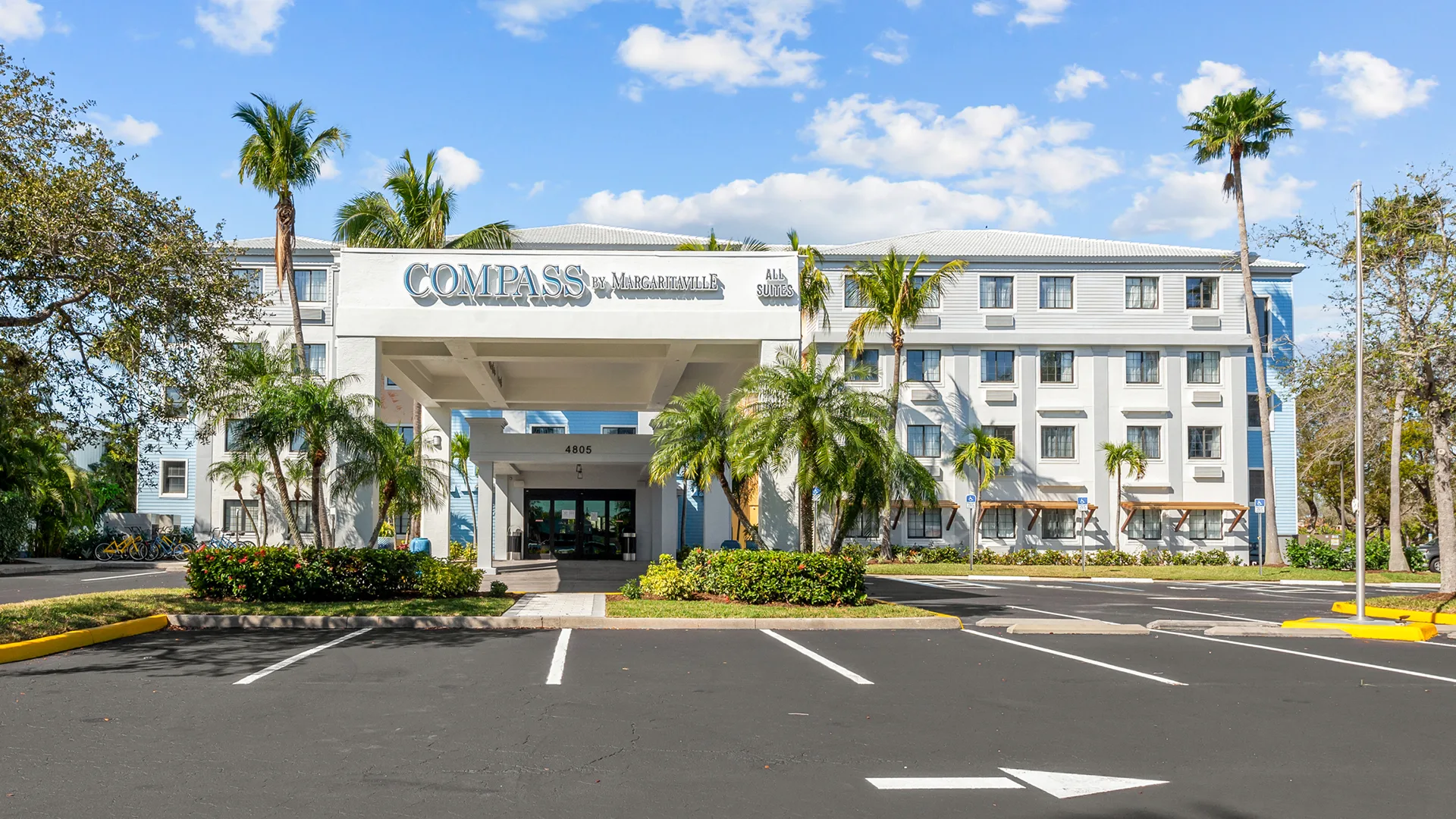
The entrance to the Compass Suites by Margaritaville in Naples, FL.
Creating Intuitive Arrival Experiences
A guest’s perception of a hotel is often formed within the first few minutes of arrival.
Thoughtful hospitality design considers:
- Clear site access and parking layouts
- Convenient drop-off zones
- Visible and welcoming entrances
- Easy-to-find check-in areas
- Effective wayfinding systems
Guests should be able to understand where to go without confusion or frustration. Reducing friction during arrival creates a positive first impression and establishes confidence in the overall guest experience.
For resort properties, conference hotels, and mixed-use developments, this level of planning becomes even more important due to increased complexity and guest traffic patterns.
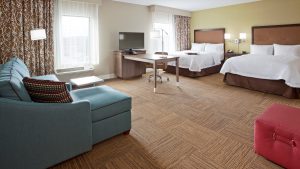
A guest room at the Hampton Inn by Hilton in Bloomington, MN.
Designing Guest Rooms Around Real-World Needs
Guest rooms remain the centerpiece of most hospitality experiences. While appearance matters, functionality often has the greatest impact on guest satisfaction.
Effective hospitality design focuses on creating spaces that support:
- Comfort and relaxation
- Efficient furniture layouts
- Convenient technology integration
- Adequate storage solutions
- Quality lighting conditions
- Comfortable workspaces
- Accessibility and inclusivity
Small design decisions often create the biggest improvements to guest experience. Thoughtful placement of power outlets, lighting controls, luggage storage, and workspace amenities can significantly enhance comfort throughout a guest’s stay.
Ramaker’s designers balance aesthetic considerations with operational realities to create guest rooms that meet both guest expectations and property performance goals. Ramaker’s interior design team emphasizes innovative solutions, close collaboration, and practical design strategies that align functionality with aesthetics.
Hospitality Design Extends Beyond the Guest Room
Today’s guests evaluate the entire property—not just their room.
Common areas are increasingly becoming destinations that support social interaction, work, wellness, and entertainment. Modern hospitality design often focuses on creating memorable shared spaces that encourage engagement while supporting operational efficiency.
These spaces may include:
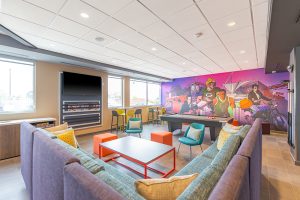
A recreational lounge space at the Tru by Hilton in Brookfield, WI, offers ample options for seating and entertainment.
Lobbies and Social Spaces
Modern lobbies serve as much more than check-in areas. They often function as gathering spaces, coworking environments, and extensions of the guest room.
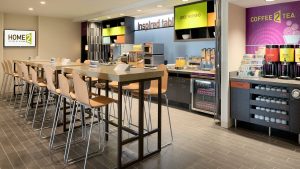
The breakfast area at the Home2Suites by Hilton in Roseville, MN.
Food and Beverage Areas
Restaurants, bars, breakfast areas, and lounges play a major role in shaping guest perceptions. Strategic layouts help improve service efficiency while creating inviting environments.
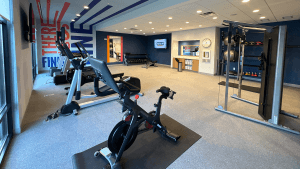
The fitness center at the Hampton Inn by Hilton in East Peoria, IL.
Fitness and Wellness Amenities
As wellness-focused travel continues to grow, fitness centers, pool areas, and wellness spaces often become key differentiators for hospitality properties.
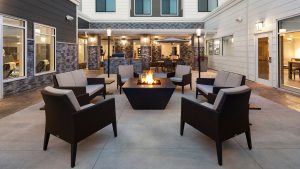
An outdoor patio space at the Residence Inn by Marriott in East Peoria, IL.
Outdoor Experiences
Courtyards, patios, rooftop amenities, and outdoor gathering spaces create opportunities for guests to connect with the surrounding environment while extending usable property space.
Balancing Guest Experience and Operational Efficiency
Behind every seamless guest experience is a facility designed to support efficient operations. Ramaker’s multidisciplinary team understands that successful hospitality projects require coordination between architecture, engineering, and interior design disciplines.
By considering back-of-house operations, maintenance requirements, staffing workflows, and long-term facility performance, the team helps create properties that operate as smoothly as they appear. Ramaker’s integrated approach combines architecture, engineering, and interior design expertise while maintaining a strong understanding of hospitality operations and development strategies.
This approach benefits owners by reducing operational challenges while improving overall guest satisfaction.
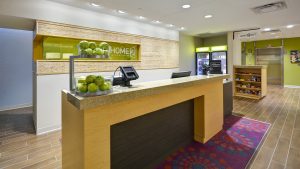
The lobby at the Home2Suites in Minnetonka, MN, incorporates the brand’s signature bright green.
Integrating Brand Standards Without Losing Personality
Franchised hotel developments face the unique challenge of balancing brand requirements with market differentiation.
Ramaker’s hospitality team works closely with major hotel brands and stays current on evolving standards, helping clients navigate complex requirements without losing sight of the guest experience.
The goal is not simply to check boxes for compliance. Instead, the design team looks for opportunities to create distinctive experiences that reflect both the brand identity and the property’s unique market position.
Whether designing a new hotel, executing a Property Improvement Plan (PIP), or completing a major renovation, the focus remains on creating spaces that resonate with guests while supporting long-term property success.
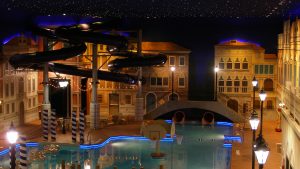
Additional amenities, like the indoor waterpark at the Holiday Inn & Suites in Maple Grove, MN, go above and beyond guest expectations to create unique experiences.
A Guest-Centered Approach to Hospitality Design
At its core, hospitality design is about people. Successful hotels are not defined solely by square footage, finishes, or amenities. They are remembered because of how guests feel while they are there. Every interaction, every space, and every design decision contributes to that experience.
At Ramaker, guest-focused hospitality design starts with understanding people first and designing environments that anticipate their needs. Through collaboration, technical expertise, operational insight, and a commitment to thoughtful design, the team helps create hospitality spaces that leave lasting impressions while delivering value to owners and operators.
Partner with Hospitality Design Experts
Whether you’re planning a new hotel development, navigating a PIP, renovating an existing property, or exploring a conversion project, choosing the right design team is critical to creating exceptional guest experiences.
Ramaker’s employee-owned team brings together architecture, engineering, and interior design expertise to help developers, owners, and operators create hospitality environments where guest experience is integrated into every step of the design process.
Ready to create a hospitality experience guests will remember? Contact Ramaker’s hospitality design team to start the conversation!