Hospitality Design Considerations for Extended-Stay Hotels
ramaker insights
Hospitality Design Considerations for Extended-Stay Hotels
Extended-stay hotels are one of the strongest segments in the hospitality industry, driven by demand from business travelers, families, project-based workers, and guests seeking accommodations that feel more like home. Unlike traditional hotels designed for short visits, extended-stay properties must support guests who may remain on-site for weeks or even months.
As a result, successful hospitality design for extended-stay hotels requires a different approach. Beyond creating an attractive property, designers must focus on livability, flexibility, operational efficiency, and long-term durability to provide value for both guests and ownership.
Designing for a Long-Term Experience
Guests staying in an extended-stay hotel interact with space differently than traditional hotel travelers. Their accommodations become a temporary home, making comfort and functionality critical design priorities.
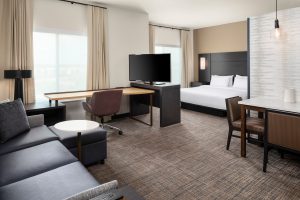
Guest suites should accommodate daily routines by incorporating features like kitchenettes, dedicated workspaces, ample storage, and comfortable living areas. Rather than simply providing a place to sleep, the room should allow guests to cook meals, work remotely, relax, and unpack comfortably for an extended period.
Creating distinct zones within a suite can further enhance the guest experience. Separating areas for sleeping, working, dining, and relaxation helps maximize functionality while making rooms feel larger and more inviting.
Supporting Today’s Work-and-Travel Lifestyle
The rise of remote and hybrid work has changed guest expectations across the hospitality sector. Many extended-stay travelers need accommodations that support productivity just as much as comfort.
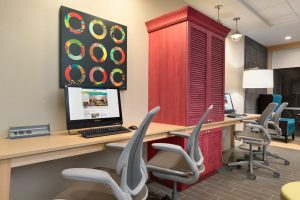
Work-friendly guest rooms with ergonomic seating, reliable connectivity, ample charging options, and task lighting can significantly improve the guest experience. In addition, many successful properties are incorporating shared workspaces and flexible public areas that provide alternatives to working from the guest room.
As the lines between business, leisure, and extended travel continue to blur, providing guests with multiple ways to work and connect has become an important hospitality design consideration.
Creating Meaningful Common Areas
While privacy remains important, guests staying for longer periods often appreciate opportunities to connect with others or simply spend time outside their room. Public spaces therefore play a vital role in the success of extended-stay hotels.
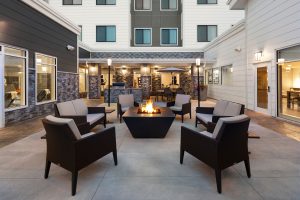
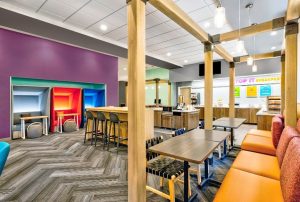
Flexible lobby environments, meeting rooms, social gathering spaces, outdoor patios, and fitness facilities can help create a sense of community while enhancing the individual guest experience. These spaces should be designed with multiple purposes in mind, supporting work, dining, relaxation, and social interaction without significant operational adjustments.
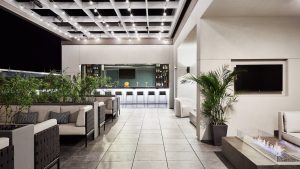
Outdoor amenities have become particularly valuable, as guests increasingly seek opportunities to gather, exercise, or unwind outside during longer stays.
Balancing Guest Comfort and Operational Efficiency
One of the most important aspects in hospitality design is finding the right balance between guest satisfaction and operational performance.
Extended-stay hotels experience heavier day-to-day use than traditional hotel properties. Because guests spend more time in their rooms, material selections and design details should prioritize durability as well as aesthetics. Flooring, furniture, fixtures, and finishes should be selected with long-term performance in mind to help reduce maintenance costs and extend replacement cycles.
Operational efficiency is equally important behind the scenes. Well-planned housekeeping routes, strategically located storage areas, efficient laundry facilities, and functional back-of-house spaces can improve staff productivity and support smoother daily operations.
Sustainability’s Influence on Hospitality Design
Sustainability remains an important consideration for developers, brands, and guests alike. Many extended-stay hotel projects now incorporate energy-efficient systems, water-saving fixtures, LED lighting, and sustainable building materials as part of their overall design strategy.
In addition to supporting environmental goals, these features often contribute to lower operating costs and improved building performance over the life of the property.
Navigating Brand Standards
As demand for extended-stay accommodations continues to grow, thoughtful hospitality design will play an increasingly important role in project success. Properties that prioritize residential comfort, operational efficiency, and long-term flexibility are better positioned to attract guests, encourage repeat stays, and maximize returns for ownership.
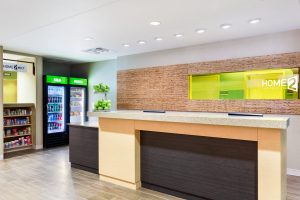
For owners developing a branded property, hospitality design must also align closely with franchise requirements. Extended-stay brands such as Residence Inn by Marriott, TownePlace Suites, Home2 Suites, Staybridge Suites, and Candlewood Suites each have specific standards governing guest rooms, public spaces, accessibility, technology, and operational flow.
Why Developers Choose Ramaker as Their Hotel Architect
Ramaker has experience supporting hospitality projects across a variety of extended-stay and select-service hotel brands, helping owners navigate design requirements while balancing site constraints, operational goals, and guest expectations.
Whether you’re planning a new development or evaluating a renovation, investing in a design strategy tailored to the unique needs of extended-stay travelers, we can help create a hotel that performs well for years to come. Ramaker partners with hotel owners, developers, and operators to create hospitality environments that balance brand standards, guest expectations, and operational efficiency.
Ready to discuss your next extended-stay hotel project? Contact our hospitality design team to get the conversation started!