Aquatic Engineering Beyond Opening Day: Maximizing the Life and Performance of Your Aquatic Facility
ramaker insights
Aquatic Engineering Beyond Opening Day: Maximizing the Life and Performance of Your Aquatic Facility
The ribbon has been cut, patrons are enjoying the facility, and operations are running smoothly. For many owners, this marks the end of the aquatic design and construction process. In reality, it’s the beginning of a new phase in the lifecycle of the facility.
Just like any major asset, aquatic facilities require ongoing attention to remain safe, efficient, and attractive for users. From routine maintenance and seasonal planning to facility evaluations and future upgrades, post-occupancy aquatic engineering plays a critical role in protecting investments and extending the useful life of aquatic facilities.
Whether you’re managing a municipal aquatic center, university natatorium, waterpark, or community pool, understanding the condition of your facility today helps guide decisions for tomorrow.
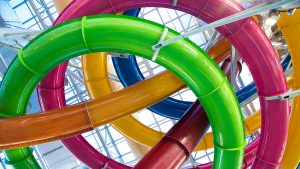
Aquatic Slide Evaluations: Understanding the Safety, Condition, and Future of Existing Attractions
Aquatic slides are often among the most popular and recognizable features in a facility. They are also some of the most mechanically and structurally complex components, making periodic evaluations essential.
When Should You Consider a Slide Evaluation?
Many facility owners assume slide evaluations are only necessary when obvious damage occurs. In reality, evaluations can provide valuable insights long before safety concerns become apparent.
Consider a slide evaluation when:
- A slide is showing signs of aging or wear
- You are planning renovations or facility upgrades
- The slide has experienced increased usage over time
- New regulations, standards, or insurance requirements arise
- Ownership or management changes occur
- You need documentation of current conditions for budgeting purposes
In some states or jurisdictions, slide inspections and certifications may be required by regulatory agencies. Even where they are not mandated, routine evaluations can help identify concerns before they become expensive repairs or operational risks.
What Is Assessed During a Slide Evaluation?
A comprehensive evaluation typically examines:
- Structural supports and foundations
- Fiberglass slide surfaces
- Joints and seams
- Stair towers and platforms
- Handrails and guardrails
- Water delivery systems
- Mechanical components
- Rider exit and splashdown areas
- General compliance with current safety standards
The goal is to offer a professional opinion about both the current condition of the attraction and its anticipated remaining service life.
Common Issues Identified During Slide Evaluations
Some of the most frequent concerns include:
- Surface cracking or fiberglass deterioration
- Corrosion of structural support components
- Loose or damaged connections
- Worn coatings and finishes
- Stair or platform deterioration
- Water distribution issues affecting rider experience
- Components that no longer align with current industry standards
Finding these issues early often allows owners to plan repairs strategically rather than responding to unexpected shutdowns.
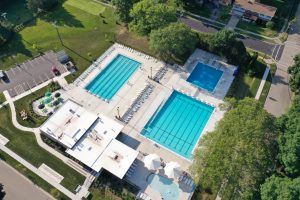
Pool Evaluations: Assessing the Safety, Condition, and Future of Aquatic Facilities
While slides often receive attention due to their visibility, the pool and its supporting systems are among the facility’s most significant physical assets. Regular evaluations provide a roadmap for maintaining operational reliability and planning future investments.
When Should a Pool Evaluation Be Conducted?
Pool evaluations are valuable for facilities of all ages, but they become particularly important when the facility is experiencing recurring maintenance issues, operational costs are increasing, major repairs are being considered, or when budget planning for capital improvements is underway.
Some jurisdictions require routine inspections for health and safety compliance. However, comprehensive engineering evaluations can compliment these regulatory inspections by examining long-term facility performance and infrastructure conditions.
What Is Reviewed During a Pool Evaluation?
An aquatic engineering evaluation may include:
- Pool shell condition
- Deck surfaces and surrounding infrastructure
- Circulation and filtration systems
- Mechanical equipment
- Piping systems
- Chemical treatment systems
- Drainage conditions
- Accessibility components
- Structural elements
- Water features and attractions
- Electrical and control systems
The objective is not only to identify deficiencies but also to establish priorities and recommendations for future improvements.
Prioritizing Repairs After a Pool Evaluation
One of the most valuable outcomes of a pool evaluation is a clear roadmap for future investments. Most recommendations fall into three categories:
- Immediate high priority/life-safety concerns, such as structural deficiencies, code issues, or damaged safety equipment.
- Near-term operational repairs, including aging mechanical systems, surface repairs, and equipment nearing the end of its useful life.
- Long-term capital improvements, such as major renovations, attraction replacements, energy-efficiency upgrades, or facility expansions.
This approach helps owners allocate resources effectively and can help support safer, more reliable facility operations.
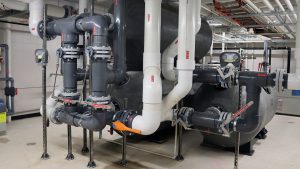
Developing a Long-Term Maintenance Strategy
Perhaps the most overlooked aspect of facility ownership is proactive maintenance planning.
Waiting for problems to occur often results in higher costs, unexpected downtime, and shortened equipment life.
An effective maintenance strategy should include:
- Routine facility inspections
- Scheduled preventative maintenance
- Seasonal startup and shutdown procedures
- Equipment lifecycle tracking
- Capital improvement budgeting
- Documentation of repairs and upgrades
- Periodic engineering evaluations
By establishing a structured maintenance program, owners can make informed decisions, reduce risk, and create more predictable operating budgets.
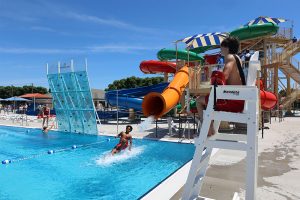
The Value of Post-Occupancy Aquatic Engineering
A successful aquatic facility is not defined solely by how well it was designed or constructed. Its long-term success depends on how effectively it is maintained, evaluated, and adapted over time.
Regular slide evaluations, pool assessments, maintenance planning, and capital improvement strategies can help facility owners protect their investments, address identified concerns, and support safe, reliable, and enjoyable user experiences.
Aquatic engineering doesn’t end when the facility opens. It continues throughout the life of the facility, helping owners navigate changing operational needs, evolving standards, and future growth opportunities.
Plan for What Comes Next
Whether your aquatic facility is newly opened or has been serving your community for decades, thoughtful planning can help you get more out of your investment. From pool and slide evaluations to maintenance planning, upgrades, and future improvements, Ramaker can help you understand your facility’s needs and plan for what comes next.
Ready to take a closer look at your aquatic facility? Contact Ramaker’s aquatic design team to start the conversation.