

project highlights
services provided
Architectural design, interior design, and structural engineering
year completed
2026
features
New, 31,000-SF facility
The River Food Pantry
Madison, WI
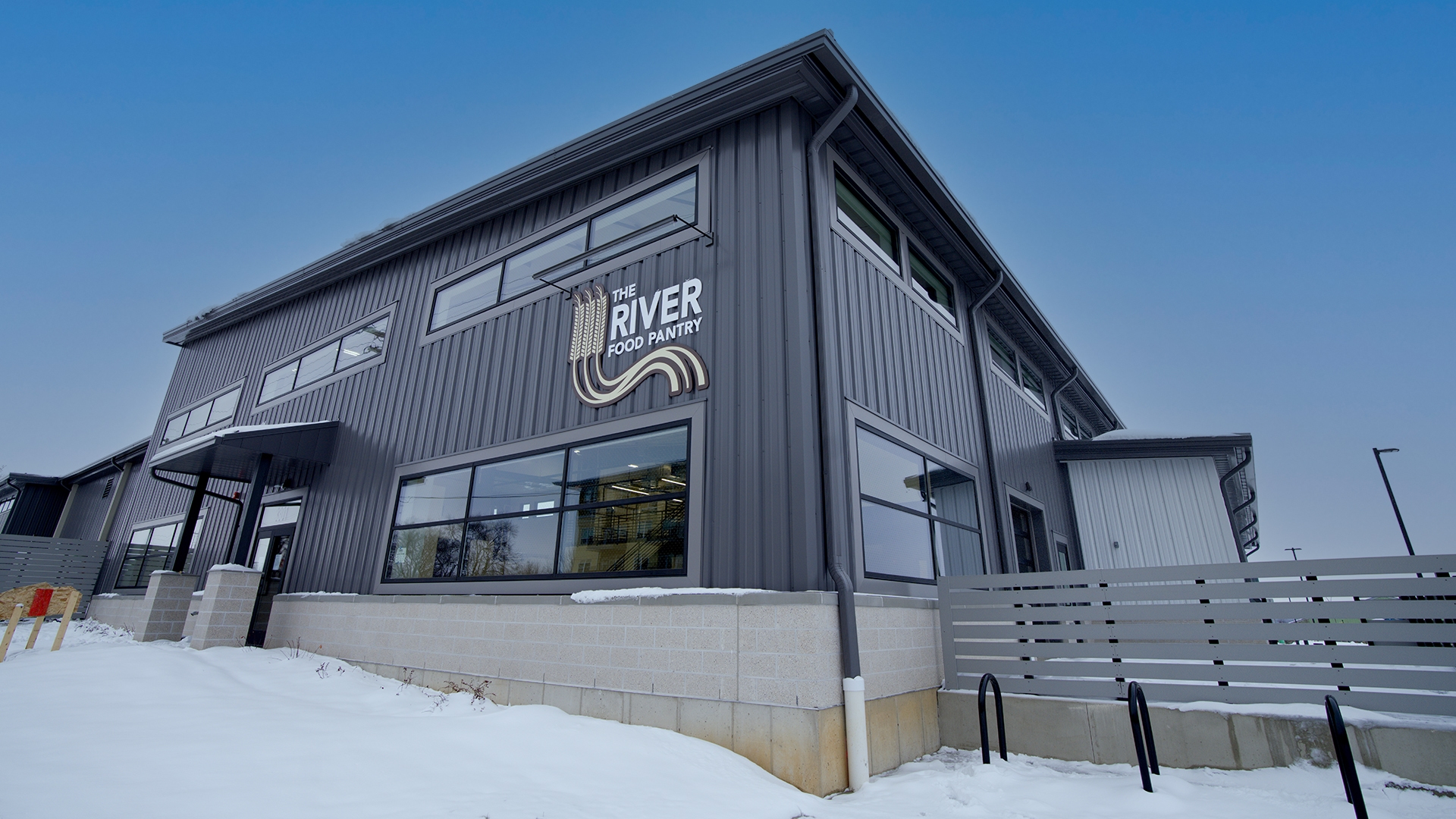
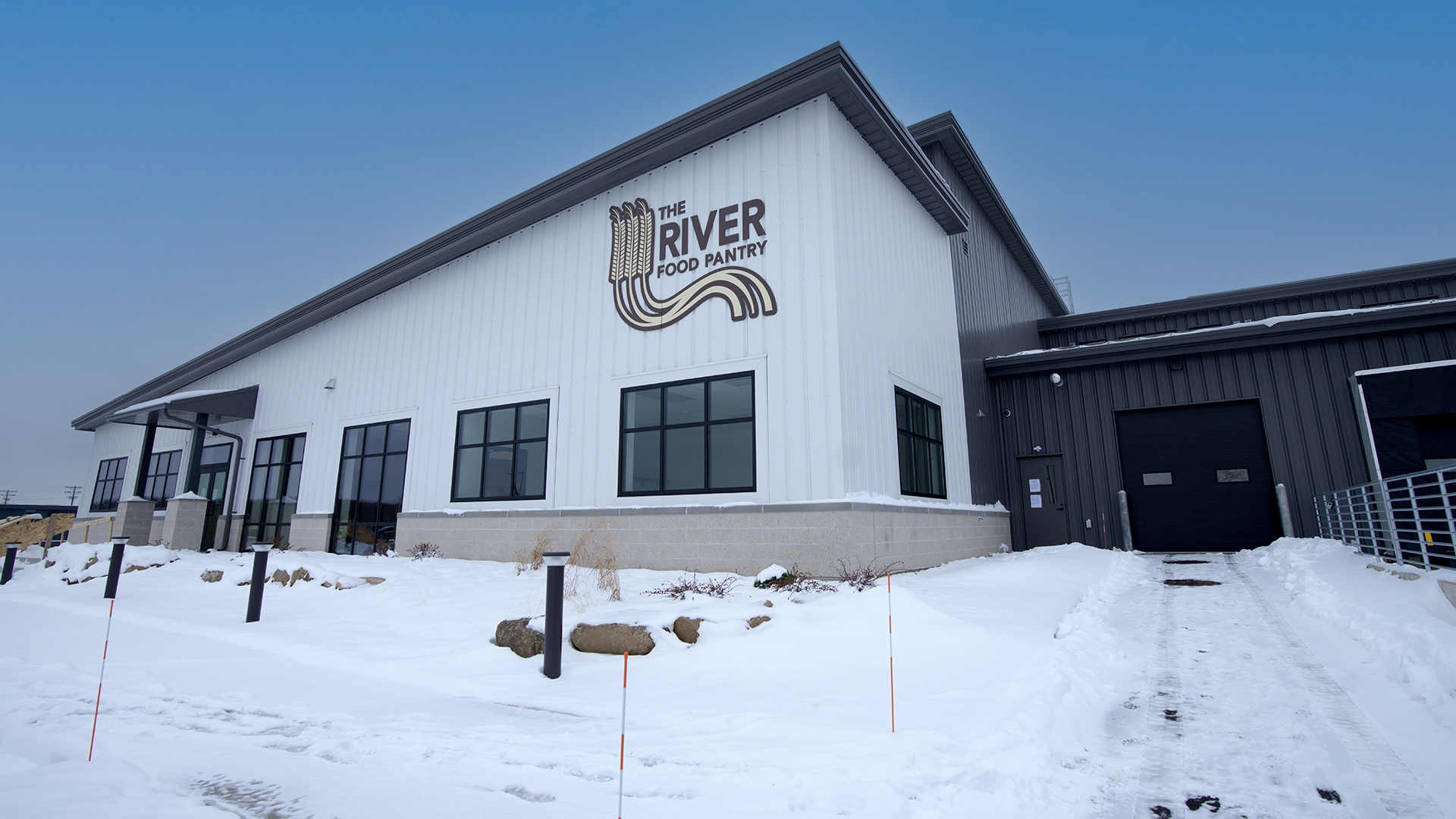
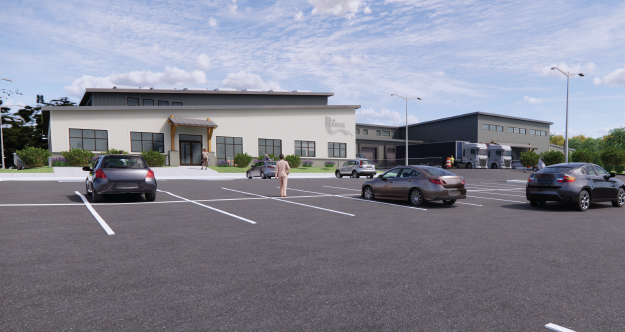
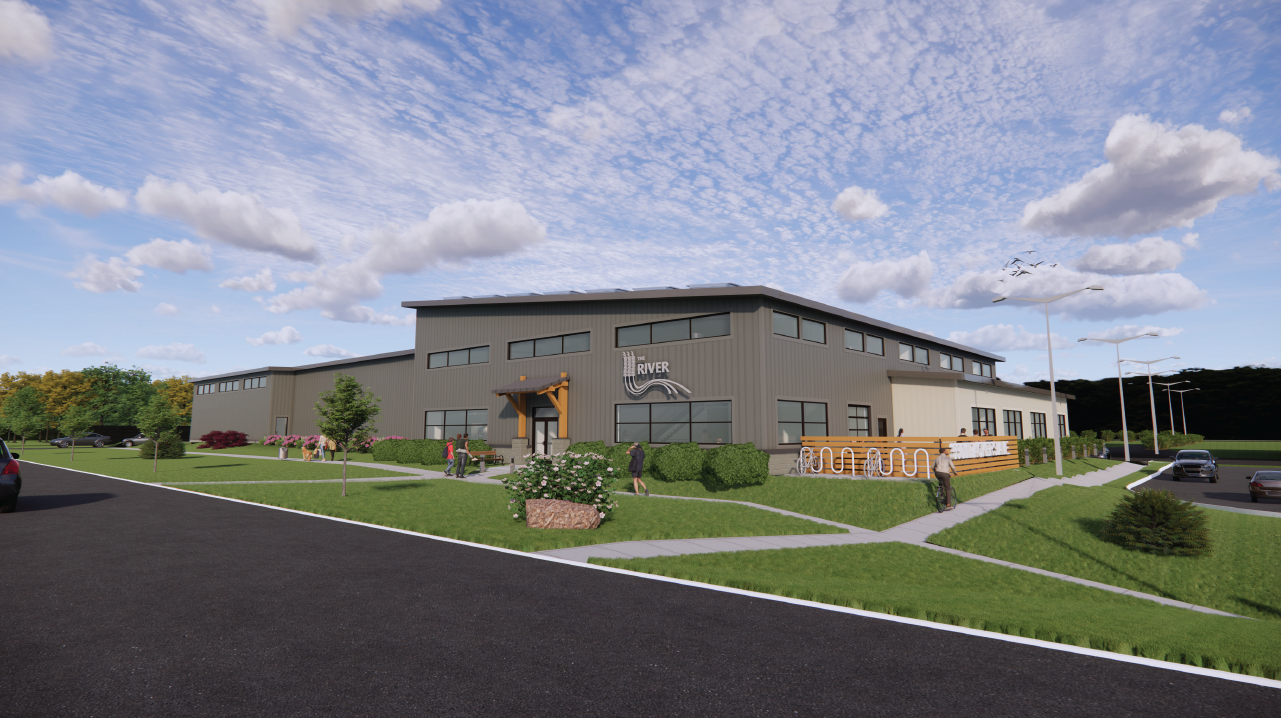
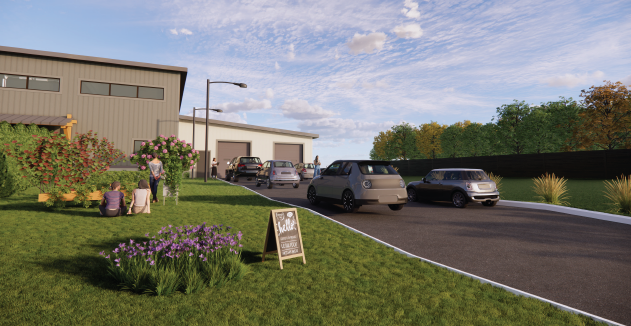
After years of programming, planning, re-programming, designing, and coordination of variables both foreseen and unforeseen, it was announced that over $11 million has been raised to build a new facility for The River Food Pantry, located on Madison’s North side. The new facility will be within eyesight of their existing warehouse, in part of a redevelopment of the 9-acre farm field northeast of the intersection of Packers Ave and Darwin Rd. At over 31,000 square feet, the new facility will triple the size of the River’s currently available space.
Ramaker provided programming, planning and design efforts which led to a hybrid design-build partnership with Advanced Building Corporation at a much-needed time where material costs and availability were on a weekly roller coaster ride. The final building design is the culmination of years of discussions and planning and will ensure that The River is able to continue its mission to nourish Dane County for many years to come.
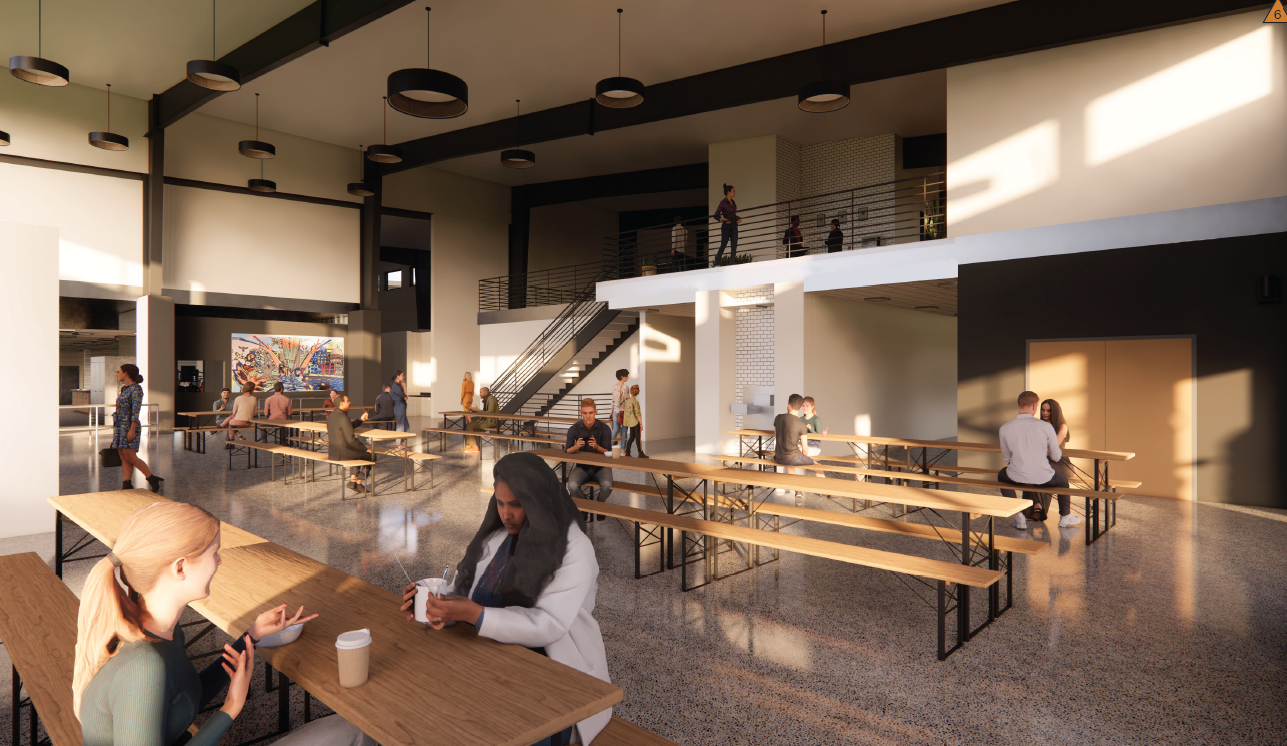
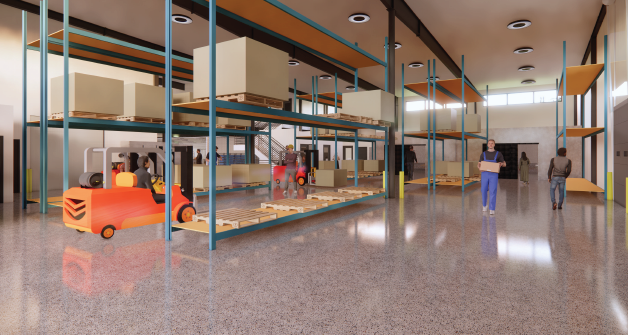
Guided by the principle “Design with Purpose,” the new home of The River Food Pantry transforms a pre-engineered metal building into a welcoming, community-centered space that serves more than 4,000 people every week. The organization’s dramatic growth required a facility that could expand food services and support an increasing range of programs.
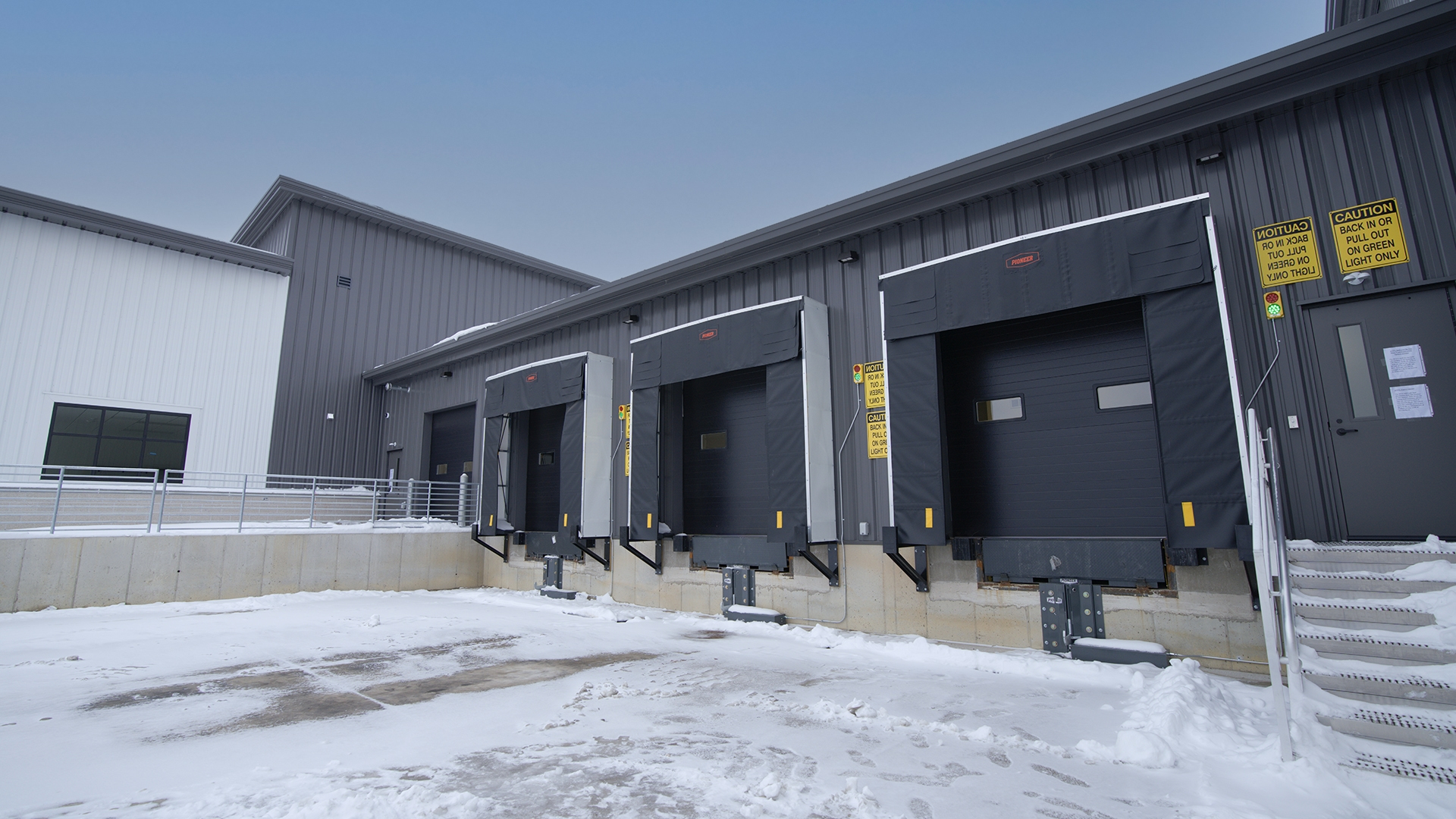
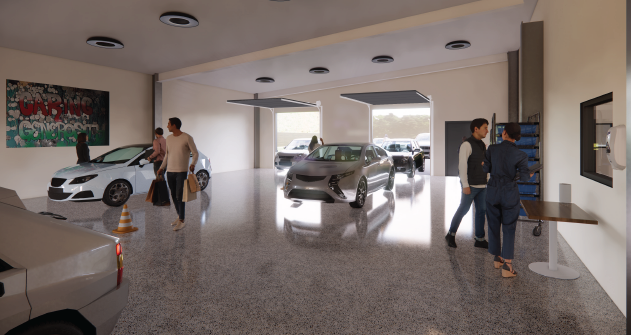
The design team’s core objective was to create a place that feels like a second home; a warm, approachable environment where neighbors can connect without shame or stigma. Because The River supports both walk-in guests and drive-thru services, the building was carefully planned to accommodate both modes of access seamlessly. As a community space, extra thought went into Americans with Disabilities Act (ADA) compliance. Equitable access to the resources they provide is a key part of realizing The River’s vision: a fully nourished community.
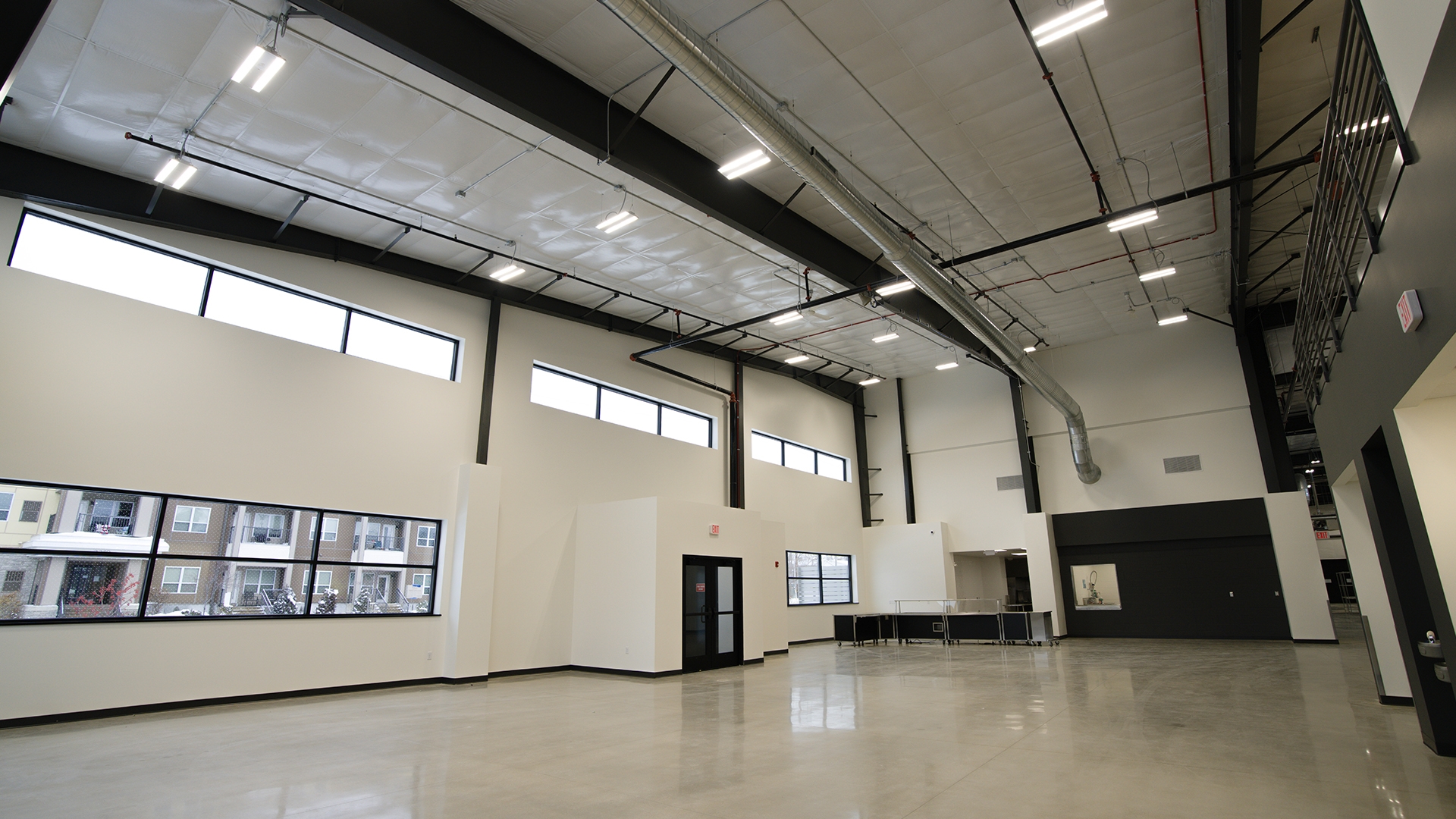
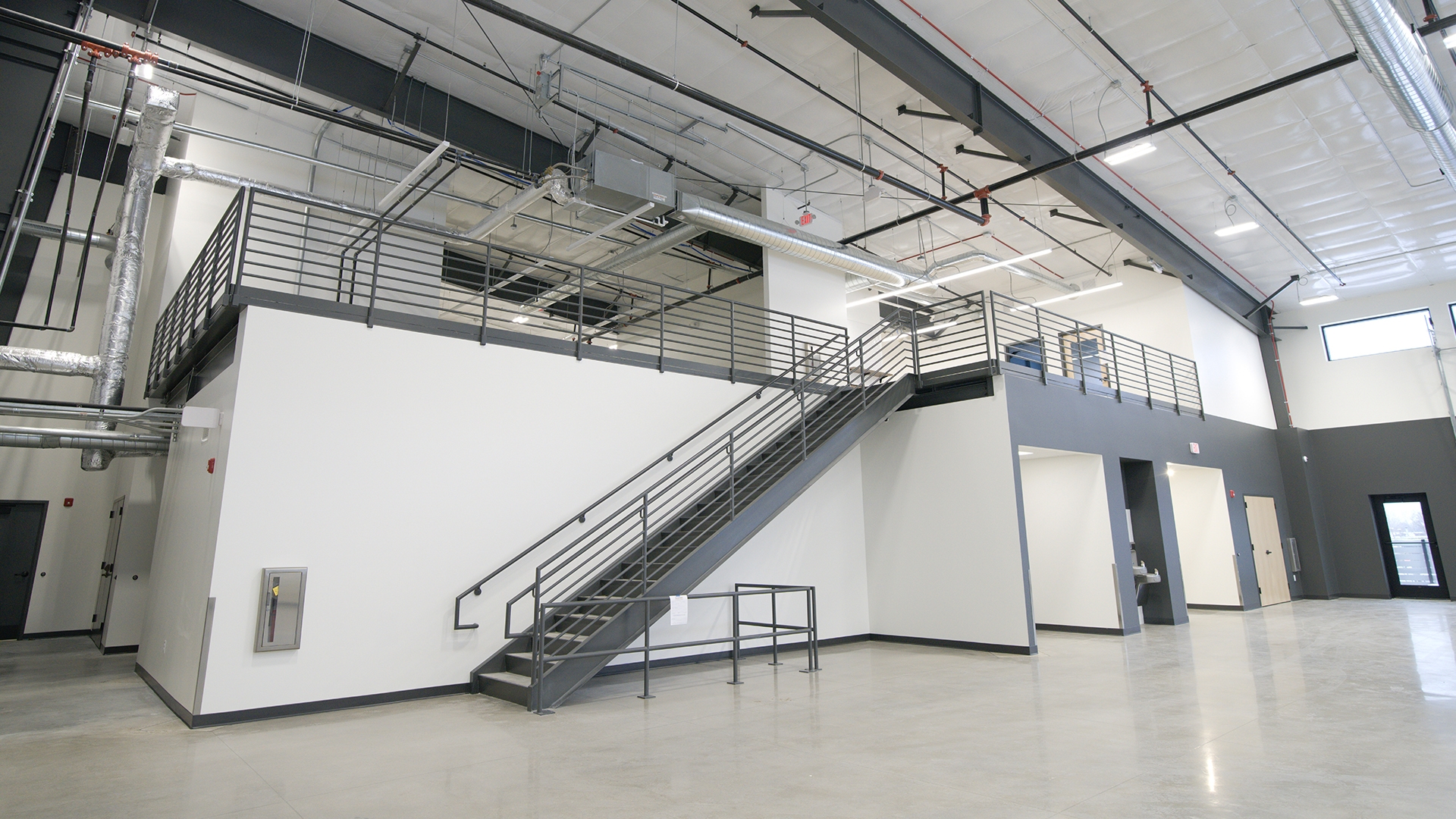
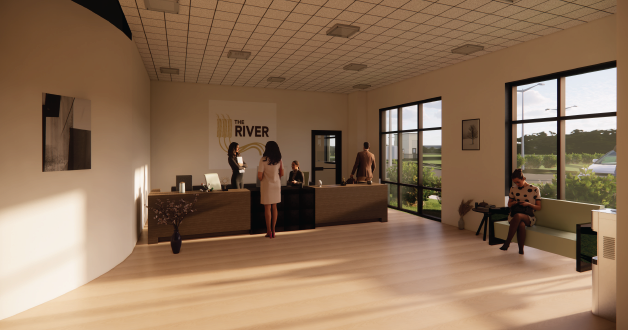
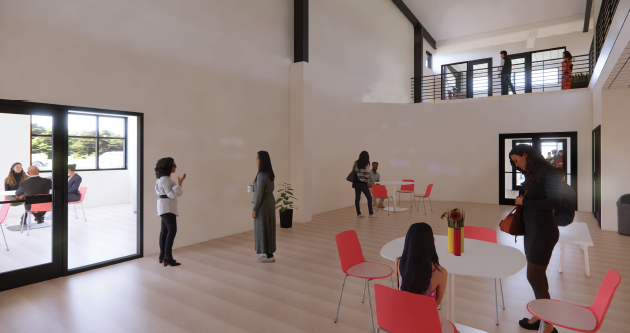
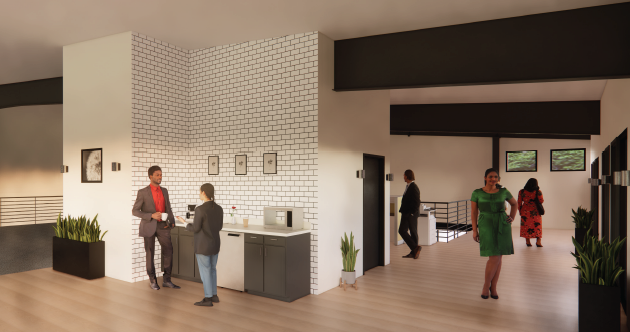
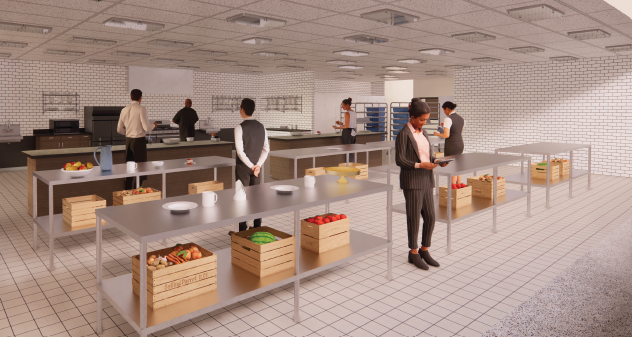
Utilizing a pre-engineered metal building maximized the budget and provided ample interior space, a crucial strategy for a nonprofit. This required creative interior solutions to avoid the cold, industrial feeling typical of this building type. The team used drywall on the public-facing first level, made thoughtful material selections, such as tiled food-service walls instead of fiber-reinforced polymer, and incorporated sculptural elements that bring warmth, texture, and vibrancy. Key elements include: a curved donor/welcome wall that creates a joyful first impression, a mezzanine-level office area visually connected to the lobby—promoting transparency without hierarchy and open sightlines that maintain safety and connection while ensuring the Executive Director remains on the first floor and easily accessible. The intentionally simplified material palette positions community artwork as a focal point, allowing residents to see their culture, creativity, and identity reflected throughout the space, while the biophilic carpet and the lively luminaires above the welcome desk offer the project’s deliberate moments of expression.
The building is organized into distinct zones, each created to support equity, dignity, and transparency:
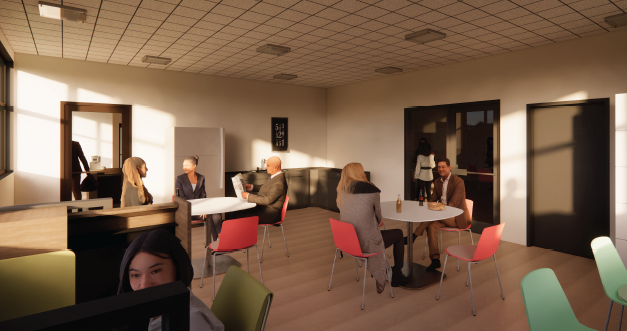
- Employee & Volunteer Spaces: A staff lounge and dedicated volunteer areas with lockers and a private break room support the people who power The River’s mission.
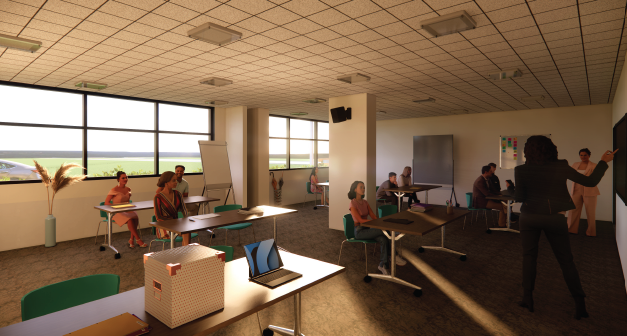
- Learning & Event Spaces: Three flexible classrooms—including two that open into a larger combined space—support nutrition education, training, community events, and future programming. Formerly, these activities had to be held off-site or not at all.
- Community Spaces & Amenities: A welcoming lobby, accessible unisex restrooms with private, fully self-contained wash stations, and an exterior patio provide safe, clean places for personal care and connection.
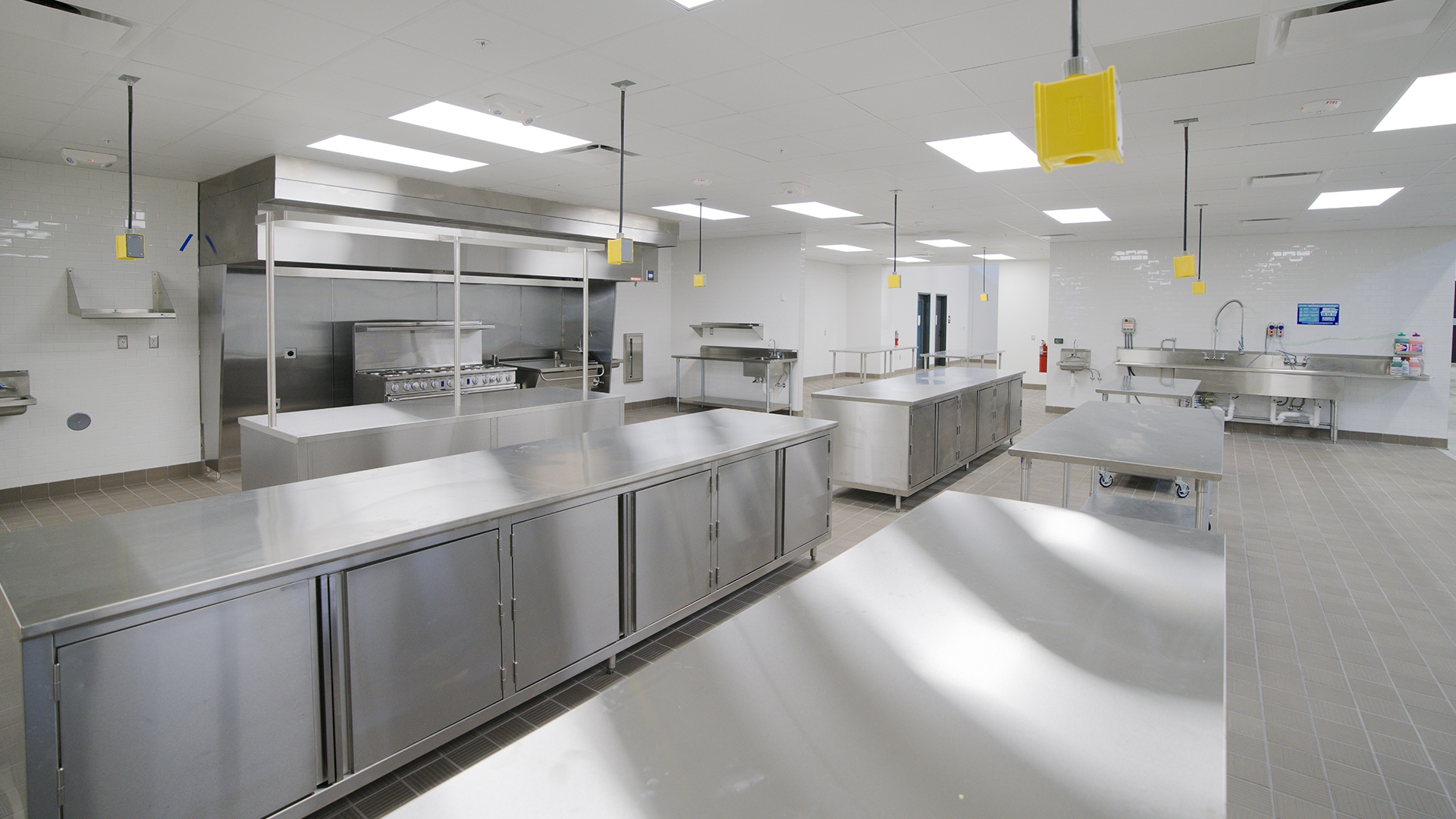
- Food Preparation, Storage & Client Services: Food services are intentionally public-facing, emphasizing transparency and community integration. A fully commercial kitchen was designed to serve as a teaching kitchen that supports onsite meal preparation and educational programming. The community hand-washing station is placed near the teaching kitchen and dining areas for easy access, ensuring food safety and personal hygiene.
This expansion prioritizes long-term operational efficiency, which is critical for organizations stewarding donor resources like The River. Geothermal heating and cooling, secured through grant funding, significantly reduces long-term operating costs. Solar-ready structural design powers the all-electric commercial kitchen, exterior lighting, and will support future EV charging stations, included as part of community accessibility initiatives.
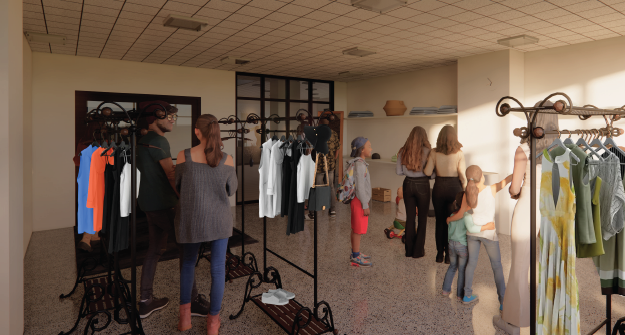
The River’s new home is a mission-driven hub designed to maintain the dignity of every individual seeking support. By pairing thoughtful architecture with operational efficiency and warm, community-driven design choices, the project establishes a foundation for future programs, such as clothing distribution and educational outreach initiatives, ensuring that The River can continue nourishing Dane County for decades to come.