The Role of Hospitality Design in Modern Hotel Development
ramaker insights
The Role of Hospitality Design in Modern Hotel Development
Hospitality design plays a defining role in how hotels perform. In today’s competitive lodging market, design is no longer just about how a hotel looks. It directly influences guest satisfaction, brand perception, operational efficiency, and long‑term asset value.
For hotel developers and owners, hospitality is a strategic tool. From site planning and architecture to interior design and building systems, every decision shapes the guest journey and impacts how well a property meets brand standards, market expectations, and business goals.
This article explores the role of hospitality design in modern hotel development, why it matters more than ever, and how integrated design teams help bring successful hotel projects from concept to completion.

What Is Hospitality Design?
Hospitality design is the specialized practice of designing spaces intended to serve guests; primarily hotels, resorts, and extended‑stay properties. Unlike general commercial design, hospitality design focuses on experience as much as function. Success is measured by guest satisfaction, emotional response, brand perception, and repeat visits.
At its core, hospitality design integrates:
- Architecture that defines the building’s form, layout, and presence
- Interior design that shapes atmosphere, comfort, and brand identity
- Engineering systems that support comfort, safety, efficiency, and durability
- Site planning that influences arrival experience, circulation, and first impressions
Successful hospitality design balances aesthetics with operations. It must support staff workflows, comply with brand standards, perform efficiently over time, and create spaces guests enjoy returning to.
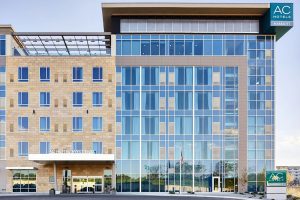
Why Hospitality Design Matters in Modern Hotel Development
Guest expectations have evolved. Today’s travelers are more design‑aware, more brand‑conscious, and more likely to share their experiences publicly. As a result, hospitality design directly affects a hotel’s reputation and revenue potential.
From a development standpoint, hospitality design influences:
- Market positioning – How the hotel competes within its segment
- Brand alignment – How well the property reflects brand values and standards
- Operational efficiency – How easily staff can manage daily operations
- Long‑term performance – Maintenance costs, adaptability, and lifecycle value
In modern hotel development, design decisions made early in the process have lasting impacts. A thoughtful hospitality design strategy helps avoid costly redesigns, operational challenges, and missed market opportunities.
How Hospitality Design Shapes the Guest Experience
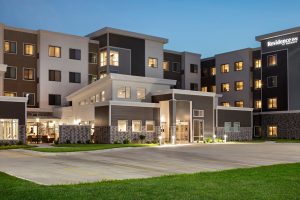
First Impressions and Arrival
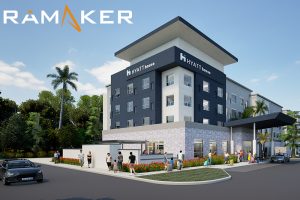
The guest experience begins before anyone steps inside the building. Site layout, vehicular access, signage, and the entry sequence all influence how guests perceive the property from the moment they arrive.
Well‑planned hospitality design considers:
- Clear and intuitive arrival routes
- A welcoming, visible main entrance
- Seamless transitions from exterior to interior spaces
These elements create confidence and comfort, setting expectations for the rest of the stay.
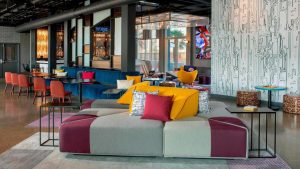
Interior Design and Emotional Impact
Interior design plays a powerful role in shaping how guests feel. Color palettes, materials, lighting, furniture, and spatial proportions all contribute to the emotional tone of a hotel.
Effective hospitality interior design:
- Reinforces brand identity
- Balances durability with warmth and style
- Creates memorable, comfortable spaces without overwhelming the guest
Whether it’s a lobby designed for social interaction or a guestroom focused on rest and recovery, interior design choices directly influence satisfaction and reviews.
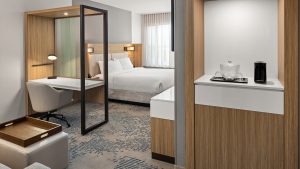
Functional Comfort Guests Don’t Always Notice
Some of the most important hospitality design decisions are the least visible. Acoustics, lighting quality, thermal comfort, and intuitive wayfinding all contribute to a seamless experience.
When these systems are designed well, guests rarely notice them. When they’re not, guests feel discomfort, confusion, or frustration. This is where close coordination between architects, interior designers, and engineers becomes essential.

Hospitality Design and Brand Alignment
For franchised hotels, hospitality design must align closely with brand standards while still responding to site conditions and market needs. This balance is one of the most critical—and challenging—aspects of modern hotel development.
Brand standards and prototypes provide a framework, but successful hospitality design interprets those standards thoughtfully rather than applying them rigidly. Experience
d design teams understand:
- How to adapt prototypes to unique sites
- Where flexibility exists within brand guidelines
- How to meet Property Improvement Plan (PIP) requirements efficiently
When hospitality design is approached strategically, it supports brand consistency while still allowing each property to feel appropriate for its location and audience.
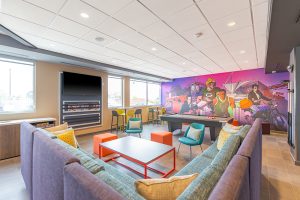
Hospitality Design Trends Influencing Modern Hotels
Hospitality design continues to evolve alongside guest expectations and operational priorities. While trends shift, many reflect long‑term changes in how people travel and use hotel spaces.
Key influences in modern hospitality design include:
- Experience‑driven spaces that encourage interaction and flexibility
- Incorporating local touches within brand standards
- Durable, timeless materials that balance style with maintenance needs
- Sustainability and efficiency, driven by both cost and guest values
- Technology‑ready infrastructure that supports evolving systems without dominating the design
Successful hospitality design teams evaluate trends carefully, incorporating those that add lasting value rather than short‑term novelty.
Hospitality Design Across the Hotel Development Lifecycle
Early Planning and Feasibility
Hospitality design begins long before drawings are produced. Early planning decisions shape the entire project, including:
- Market positioning and target guest profiles
- Brand selection and feasibility
- Site analysis and programming
Design input at this stage helps developers align vision, budget, and operational goals from the outset.
Design Development and Documentation
As projects move into design development, hospitality design teams translate concepts into coordinated, buildable solutions. This phase requires close collaboration with owners, brands, and contractors to ensure design intent is preserved while remaining practical.
Clear documentation and coordination reduce change orders and help keep projects on schedule.
Construction and Execution
During construction, hospitality design teams play a critical role in maintaining quality and consistency. Responding to field conditions, reviewing substitutions, and clarifying details helps ensure the finished hotel reflects the original vision.
 The Value of Integrated Hospitality Design Teams
Hospitality projects involve many moving parts. When architecture, interior design, and engineering are handled in isolation, coordination gaps can lead to inefficiencies, redesigns, and increased costs.
An integrated hospitality design team offers:
- Stronger collaboration from the earliest planning stages
- Fewer conflicts between design intent and building systems
- More efficient decision‑making throughout development
By working together, multidisciplinary teams ensure that guest experience goals align with operational and technical realities.
Partnering with the Right Hospitality Design Team
Choosing the right hospitality design partner is critical to a project’s success. Developers benefit from teams that offer:
- Deep hospitality‑specific experience
- Familiarity with brand standards and PIPs
- Integrated architecture, interior design, and engineering services
- A collaborative approach to problem solving
With decades of hospitality experience across new developments, renovations, and conversions, Ramaker supports hotel projects from conception through completion. By combining architecture, interior design, and engineering under one roof, Ramaker helps developers create hotels that perform well, age gracefully, and deliver meaningful guest experiences.
Interested in learning how Ramaker’s hospitality design team can support your next hotel project? Explore our hospitality experience or connect with our team to start the conversation.