Hospitality Design Standards for IHG Hotels: What Every IHG Architect Needs to Know
ramaker insights
Hospitality Design Standards for IHG Hotels: What Every IHG Architect Needs to Know
As one of the world’s largest hotel companies, IHG Hotels & Resorts offers a diverse portfolio of brands ranging from limited-service properties to upscale, lifestyle-oriented hotels. Each brand has its own identity and design standards that influence everything from site planning and guestroom layouts to public space programming and interior finishes.
At Ramaker, our hospitality team has extensive experience supporting both new construction and Property Improvement Plan (PIP) projects across multiple IHG brands. We are an Approved IHG Architecture and Design Firm, so our architects, engineers, and interior designers understand how to navigate evolving brand standards while creating hotels that deliver memorable guest experiences and long-term value for owners.
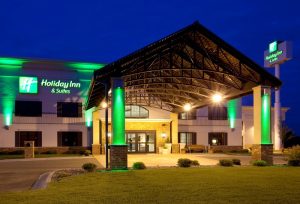
Why IHG Brand Standards Matter
IHG’s brand standards are designed to create consistency across its portfolio while allowing each brand to maintain a distinct identity.
For an IHG architect, these standards influence:
- Building and site design
- Guestroom configurations
- Public space requirements
- Food and beverage offerings
- Technology integration
- Accessibility compliance
- Mechanical, electrical, and plumbing systems
- Exterior branding and signage
- Sustainability initiatives
Understanding these requirements early in the design process helps avoid costly redesigns and streamlines brand review approvals. A partner experienced with IHG standards can help developers efficiently move from concept to construction while ensuring compliance throughout the project lifecycle.
Understanding IHG’s Diverse Brand Portfolio
One of the biggest challenges for any IHG architect is recognizing that there is no one-size-fits-all approach to designing an IHG hotel. Different brands serve different travelers and require design solutions tailored to their specific market position and operational model.
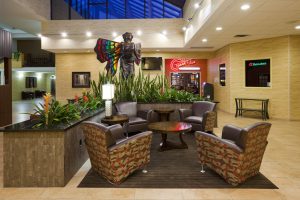
Holiday Inn: Familiar, Flexible, and Full-Service
Holiday Inn remains a cornerstone brand within the IHG portfolio, appealing to both business and leisure travelers.
Architects designing Holiday Inn properties typically focus on:
- Flexible public gathering spaces
- Efficient meeting and event facilities
- Contemporary guestrooms that support multiple traveler types
- Food and beverage integration
- Adaptable design solutions that fit various markets
These projects often require balancing operational efficiency with broader amenity offerings compared to select-service brands.
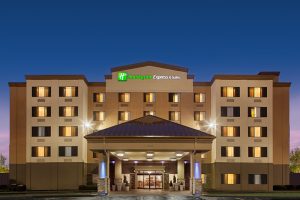
Holiday Inn Express: Streamlined, Efficient, and Guest-Focused
Holiday Inn Express remains one of the most recognizable brands in the select-service market and continues to be a popular choice among developers.
Key design considerations include:
- Efficient guestroom layouts that maximize functionality
- Welcoming arrival areas with intuitive circulation
- Flexible breakfast and gathering spaces
- Durable, cost-effective materials
- Operational efficiency for long-term ownership success
Holiday Inn Express properties are designed to deliver a reliable guest experience while maintaining efficient construction and operating costs. For architects, achieving that balance is critical to project success.
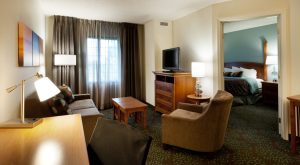
Staybridge Suites: Extended Stay Comfort and Community
Staybridge Suites serves travelers seeking accommodations for longer stays, placing greater emphasis on comfort, flexibility, and social interaction.
Architectural priorities often include:
- Suite-style accommodations with residential amenities
- Full kitchen integration within guestrooms
- Shared gathering spaces that encourage interaction
- Outdoor amenities and social areas
- Functional storage solutions for long-term guests
Because guests may stay for weeks at a time, durability, comfort, and a residential feel become key components of the overall design strategy.
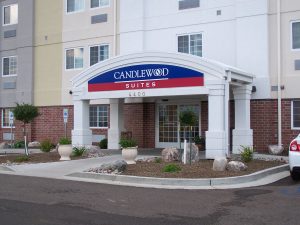
Candlewood Suites: Practical Extended-Stay Design Focused on Independence
Candlewood Suites is designed for guests seeking the comforts of home during extended business assignments, relocations, and long-term travel. While it shares the extended-stay category with Staybridge Suites, the brand emphasizes simplicity, flexibility, and value-oriented accommodations.
For an IHG architect, key design considerations include:
- Studio and one-bedroom suite layouts optimized for longer stays
- Full kitchens that support independent living and meal preparation
- Durable, low-maintenance materials designed to withstand extended occupancy
- Efficient circulation and operational layouts that support lean staffing models
- Flexible common spaces focused on convenience rather than extensive social programming
Unlike full-service or lifestyle-focused brands, Candlewood Suites prioritizes functionality and guest independence. Architects must carefully balance construction efficiency, operating costs, and guest comfort while maintaining compliance with IHG’s prototype standards.
Why Developers Choose Ramaker as Their IHG Architect
Successful hospitality projects require a design partner who understands both brand requirements and owner expectations. At Ramaker, our integrated architecture and engineering approach helps clients navigate the complexity of hotel development while maintaining consistency with brand standards and project goals.
Ramaker’s hospitality team has supported hotel developments, renovations, rebranding initiatives, and PIP projects across the country. Our experience working within major franchise systems means we understand the review processes, prototype standards, operational considerations, and coordination requirements that drive successful hotel projects.
We help owners and developers:
- Navigate evolving brand standards
- Streamline approval processes
- Coordinate architecture and engineering disciplines
- Reduce project risk
- Enhance guest experiences
- Optimize long-term operational performance
Whether you’re planning a new Holiday Inn Express, developing an extended-stay Staybridge Suites, pursuing an avid Hotel prototype, or creating a distinctive Hotel Indigo experience, Ramaker has the expertise to help bring your vision to life.
Ready to partner with an experienced IHG architect? Contact Ramaker’s hospitality team to learn how our architecture, engineering, and interior design expertise can help deliver a successful IHG-branded hotel project from concept through opening.

Why Marriott Brand Standards Matter
Marriott has built its reputation through consistency. Whether a guest checks into a Courtyard in Minnesota or a Residence Inn in New Jersey, they expect a familiar level of quality, functionality, and brand experience.
For Marriott architects, this means every design decision must align with specific brand requirements governing:
- Building layouts
- BOH operational requirements and space adjacencies
- Guestroom design
- Public spaces
- Food and beverage offerings
- Accessibility compliance
- Mechanical, electrical, and plumbing systems
- Sustainability initiatives
- Technology integration
- Exterior branding and signage
Understanding these standards early in the design process helps avoid costly revisions during brand review and ensures a smoother path to approval. Ramaker’s hospitality team stays current on these evolving requirements and regularly develops design packages that meet Marriott brand expectations.
Marriott’s Diverse Portfolio Requires Specialized Design Expertise
One of the biggest challenges for any Marriott architect is recognizing that there is no single “Marriott hotel design.” Each brand serves a unique traveler and requires a tailored approach.

The lobby at the Courtyard by Marriott in Roseville, MN, offers food and beverage options and ample seating space for dining and working.
Courtyard by Marriott: Business-Friendly, Flexible, and Modern
Courtyard remains one of Marriott’s most recognizable select-service brands and a category in which Ramaker has significant project experience. Recent work has included Courtyard properties in Bettendorf, Iowa; Owatonna, Minnesota; and Roseville, Minnesota.
Key design considerations include:
- Welcoming, flexible lobby environments that support work and social interaction
- Food and beverage offerings integrated into the arrival experience
- Efficient guestroom layouts focused on comfort and productivity
- Outdoor gathering spaces that extend the guest experience
- Strong circulation patterns between public amenities
For developers, Courtyard often represents an attractive balance of development cost, operational efficiency, and broad traveler appeal.
Residence Inn: Extended Stay Comfort
Residence Inn pioneered the extended-stay category and continues to attract guests seeking accommodation for longer visits.
Ramaker has supported Residence Inn projects in both new construction and PIP capacities, including projects in New Jersey, Illinois, Iowa, and Minnesota.
Successful Residence Inn design focuses on:
- Suite-style accommodations with residential functionality
- Fully integrated kitchen areas
- Extended-stay storage solutions
- Opportunities for social interaction within common spaces
- Comfortable indoor and outdoor amenity areas
Because guests often stay for weeks rather than nights, Residence Inn design prioritizes durability, flexibility, and a sense of community.

A guest suite at the SpringHill Suites by Marriott in Bettendorf, IA.
SpringHill Suites: Space Efficiency with an Elevated Feel
SpringHill Suites bridges the gap between traditional select-service hotels and upscale extended-stay concepts.
Ramaker has delivered multiple SpringHill Suites projects, including developments in Iowa, Indiana, and Minnesota.
Architectural priorities typically include:
- Larger suite-style guestrooms
- Defined living and sleeping zones
- Open, contemporary public spaces
- Flexible meeting and gathering areas
- Efficient floorplate planning that maximizes room count
The brand emphasizes providing guests with more usable space while maintaining operational efficiency for owners.

Kitchen amenities are important for long-term guests at the TownePlace Suites in Dubuque, IA.
TownePlace Suites: Designed for Longer Stays
TownePlace Suites appeals to guests seeking practical accommodations for work assignments, relocations, and extended travel.
Ramaker’s hospitality team has experience supporting TownePlace Suites developments, including projects for hospitality developers throughout the Midwest.
Important design considerations include:
- Apartment-inspired guestrooms
- Functional kitchen layouts
- Cost-effective construction solutions
- Durable materials suited for long-term occupancy
- Outdoor amenities that foster guest interaction
For Marriott architects, balancing brand standards with construction efficiency is especially important within this segment.

Modern lounge spaces make Aloft Hotels desirable for younger travelers.
Aloft Hotels: Contemporary, Social, and Experience-Driven
Aloft appeals to modern travelers seeking a vibrant, tech-forward experience with a strong emphasis on social connection and flexible public spaces. Ramaker has worked on Aloft projects in Iowa and Minnesota.
For a Marriott architect, designing an Aloft property often requires balancing operational efficiency with a distinctive lifestyle aesthetic. Key design considerations include:
- Open, loft-inspired public spaces that encourage interaction and community
- Bold, contemporary interior design with strong visual identity
- Technology-forward guest experiences, including mobile-centric amenities
- Flexible social hubs such as bars, lounges, and collaborative workspaces
- Seamless integration of indoor and outdoor gathering areas
Unlike more traditional select-service brands, Aloft places significant emphasis on creating memorable communal experiences that appeal to younger travelers and guests seeking a more lifestyle-oriented stay. Architects must carefully coordinate brand aesthetics, guest flow, lighting, and amenity programming to deliver the energetic atmosphere that defines the Aloft brand.

Ramaker has an in-house team of aquatic engineers that help bring exceptional hotel pools to life!
Beyond Architecture: Coordinating Complete Hospitality Design Solutions
Modern hotel development demands more than architectural expertise alone.
Successful Marriott projects require coordination among:
- Architecture
- Interior Design
- Structural Engineering
- Mechanical Engineering
- Electrical Engineering
- Plumbing Design
- Site Development
- Brand Review Teams
Ramaker’s multidisciplinary approach allows our teams to collaborate throughout the project lifecycle, helping identify issues early, streamline review processes, and reduce coordination challenges during construction. Our hospitality professionals understand both the technical requirements of hotel design and the operational goals that drive successful developments.
Why Developers Choose Ramaker as Their Marriott Architect
Hospitality design is ultimately about creating memorable guest experiences while delivering strong business outcomes for owners.
Over the years, Ramaker has provided architecture, engineering, interiors, renovation, conversion, and PIP services for hospitality projects across the country. Our experience includes working within Marriott, Hilton, IHG, and other major hospitality brand standards, giving our team a deep understanding of the approval processes, prototype requirements, and operational considerations that shape successful hotel developments.
Whether you’re planning a new Courtyard, developing a Residence Inn, renovating a SpringHill Suites, or evaluating a PIP for an existing Marriott property, Ramaker’s employee-owners bring the hospitality expertise necessary to guide your project from concept through completion.
Ready to partner with an experienced Marriott architect? Marriott standards continue to evolve as guest expectations, technology, and hospitality trends change. Having a design partner who understands these requirements can help reduce risk, maintain compliance, and position your investment for long-term success.
Contact Ramaker’s hospitality design team to discuss your next Marriott-branded hotel project and discover how our architecture, engineering, and interior design expertise can help bring your vision to life.