Aquatic Engineering: Planning and Designing Modern Aquatic Facilities with Purpose
ramaker insights
Aquatic Engineering: Planning and Designing Modern Aquatic Facilities with Purpose
Modern aquatic facilities are complex, highly regulated environments that must balance safety, functionality, user experience, operational efficiency, and long-term sustainability. Whether the goal is to provide the space for competitive athletics, community recreation, hospitality, wellness, or a mix of all these things, successful aquatic facilities are rooted in intentional planning and thoughtful engineering from day one.
Designing these spaces with purpose requires a holistic approach that considers not just what users see on the surface, but also the systems, planning, and expertise working behind the scenes. From initial concept to post-occupancy operations, aquatic engineering plays a critical role in shaping facilities that perform well throughout their lifetime.
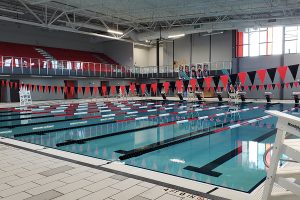
The indoor pool at Sauk Prairie High School in Prairie du Sac, WI.
Establishing the Design Problem: What Is an Aquatic Facility?
At first glance, the terms pool, waterpark, and aquatic facility may seem interchangeable, but in practice, each represents a distinct set of needs, challenges, and opportunities.
A pool might serve a single purpose, such as lap swimming, competitive events, therapy, or leisure. A waterpark introduces additional layers of complexity, incorporating attractions like slides, wave pools, lazy rivers, and interactive spray-and-play features. An aquatic facility, however, often encompasses multiple water environments under one roof or within one site, designed to support diverse users and a variety of programming, creating unique operational demands.
Establishing the design problem begins with understanding where the need exists, what the need is, and why it matters. Is the facility intended to support athletic competition, community recreation, hospitality guests, or all the above? Will it serve seasonal use or operate year-round? Is the project driven by growth, replacement of aging infrastructure, safety concerns, or changing user expectations? For many owners, this process starts with a comprehensive pool evaluation, which provides a holistic view of user desires and, if there is an existing facility, the facility’s current condition—assessing safety, code compliance, performance, and infrastructure—to help identify challenges and prioritize future improvements.
Answering these questions early helps define scope, budget, and feasibility, and ensures that design decisions are grounded in purpose rather than trends.
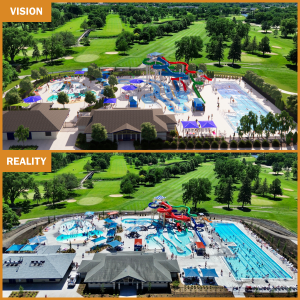
Rendering and completed photo of Soldiers Field Memorial Aquatic Center in Rochester, MN.
Crafting a Vision: Turning Goals into a Thoughtful Plan
Once the need is clearly defined, the next step is crafting a vision that aligns goals and expectations with practical realities. This phase sets the foundation for everything that follows.
Initial design and layout decisions must consider how users move through the space, how different environments within the aquatic facility interact, and how programming needs may evolve over time. For example, upon arrival at the facility, does a visitor know where to enter – what creates the entry point? Once within the building, how is one greeted – is there a reception or check-in area, or intended drop off process? Is the water attraction visible upon entry, providing a glimpse at what is to come? Is the next step to progress towards locker rooms or a bathhouse space or are there other supporting amenities which users are hopefully going to engage with? Key stakeholders, operators, users, architects, engineers, and regulatory agencies should be involved early to ensure the vision reflects a shared understanding of priorities. Critical considerations include whether to incorporate specialized features or focus on flexible, multi-use water spaces. Decisions around the size and depth of pools, number of attractions, and total water surface area directly influence staffing requirements, lifeguarding strategies, and code allcompliance. Larger or more complex water environments often require increased supervision, additional safety features, and more robust operational planning.
Equally important is understanding how local and state codes, health department regulations, and accessibility requirements impact planning. Designing with these constraints in mind from the outset helps keep projects on schedule and within budget.
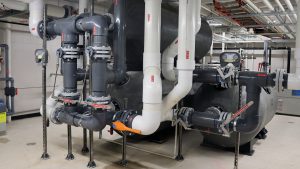
The equipment room at Ridgewood Pool in Madison, WI.
Engineering the Vision: What Happens Beyond the Concrete Deck
While visitors experience aquatic facilities through water, light, and movement, the true performance of these spaces depends on what lies beneath the surface and beyond the pool deck.
Aquatic engineering addresses the systems that keep water safe, clean, and enjoyable. This includes circulation and filtration systems, chemical treatment, heating, and controls tailored to each pool or attraction. Slides, play features, and waterpark elements introduce additional engineering considerations, requiring coordination between geotechnical, structural, mechanical, and aquatic specialists.
Selecting the right systems is never one-size-fits-all. Factors such as anticipated occupancy, user demographics, climate, geographic location, and operational capacity all influence engineering decisions. A facility in a cold-weather climate may prioritize energy efficiency and indoor air quality, while a seasonal outdoor facility may focus on durability and ease of startup and shutdown.
Team composition also matters. Successful projects rely on close collaboration between architects, aquatic engineers, MEP and structural engineers, contractors, and pool installers. Aligning expertise early helps ensure systems are coordinated, constructible, and designed with long-term maintenance in mind.
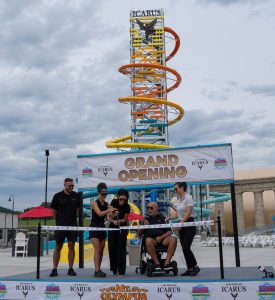
The grand opening of The Rise of Icarus at Mount Olympus Resort in Wisconsin Dells, WI.
Cutting the Red Tape and Life Post-Occupancy: Planning for Longevity
Completing construction is only the beginning of a facility’s life cycle. Cutting through regulatory requirements—plan reviews, inspections, and licensing—is a critical step in bringing an aquatic facility online. Thoughtful documentation, coordination with authorities, and proactive communication help streamline approvals and reduce delays.
Once operational, the focus shifts to performance, safety, and adaptability. Short- and long-term maintenance planning is essential to protecting investment and ensuring consistent user experiences. Regular pool and slide evaluations, system inspections, and water quality assessments help identify issues before they become costly problems.
Over time, facilities may require upgrades, additions, or improvements to meet evolving needs. Programming changes, seasonal scheduling adjustments, and new attractions can extend the life and relevance of an aquatic facility—when planned with flexibility in mind.
By considering post-occupancy operations during the design phase, owners and operators are better positioned to manage change, control costs, and maximize the value of their facility for years to come.
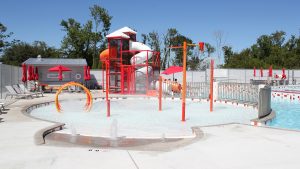
The spray and play feature at Belle Chasse YMCA in Belle Chasse, LA.
Designing Aquatic Facilities with Purpose
Aquatic facilities are among the most complex environments to plan, design, and operate. Success depends on aligning vision, engineering, and long-term strategy while keeping user experience, safety, and sustainability at the forefront.
When aquatic engineering is approached with purpose, the result is more than a pool or waterpark. It’s a facility that performs, adapts, and serves its community well beyond opening day.
Ramaker, Your Aquatic Engineering Partner From Conception to Completion
At Ramaker, our multi-disciplinary architecture and engineering teams work collaboratively to support aquatic projects from the earliest feasibility discussions through design, construction, and life post-occupancy.
By bringing aquatic engineering, architecture, structural, civil, MEP, geotechnical, and environmental services together under one roof, Ramaker helps streamline communication, reduce risk, and ensure you have all the information you need to make critical decisions confidently. This holistic approach allows us to design aquatic facilities code-compliant, technically sound, efficient to operate, adaptable over time, and aligned with our clients’ long-term goals.
Whether planning a new facility, reimagining an existing one, or navigating renovations and upgrades, Ramaker partners with owners and operators at every step, turning complex challenges into coordinated solutions. The result is an aquatic facility designed with purpose, engineered for performance, and built to serve its users well beyond opening day.
Looking for a partner for your next aquatic project? Reach out to Ramaker’s team of experts to see how our services can support your vision.